Credit Card Interest vs Savings Calculator
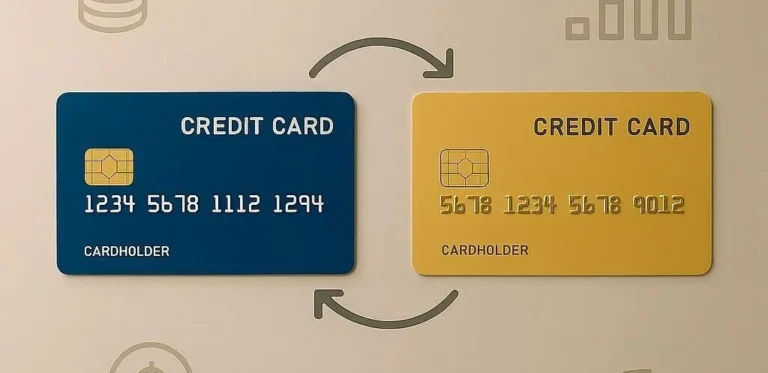
When you’re juggling debt and trying to grow your nest egg, the numbers can feel overwhelming. A clear, side‑by‑side comparison of how much interest you’ll pay on a credit card versus how much you’ll earn in a savings account can change the way you approach your finances. That’s why the Credit Card Interest vs Savings Calculator is an essential tool for anyone looking to make smarter money decisions in 2026.
Credit Card Interest vs Savings Calculator: Understanding the Basics
At its core, the calculator takes two simple inputs: the balance on your credit card and the amount you plan to save. It then applies the current APR for credit cards and the annual percentage yield (APY) for savings accounts to show you the net effect over time. The result? A clear picture of whether your debt is eating away at your wealth or if your savings are growing fast enough to offset that debt.
How APR and APY Shape Your Financial Future
APR, or Annual Percentage Rate, is the yearly cost of borrowing on a credit card, including interest and fees. Most U.S. credit cards have APRs ranging from 15% to 25% today, but the exact rate depends on your credit score and the card issuer. In contrast, APY, or Annual Percentage Yield, reflects the interest earned on a savings account, accounting for compounding. While savings APYs are typically lower—often between 0.5% and 2%—they still provide a steady, risk‑free return.
Using the calculator, you can plug in a credit card balance of, say, $5,000 with a 22% APR and a savings balance of $5,000 earning 1.5% APY. The tool will show that, over a year, you’ll pay roughly $1,100 in credit card interest while earning about $75 in savings interest. The net loss is $1,025, illustrating how debt can outpace savings growth.
Step‑by‑Step: How to Use the Credit Card Interest vs Savings Calculator
1. Enter Your Credit Card Balance – Input the total amount you owe. If you carry a balance each month, use the average balance for accuracy.
2. Input Your Credit Card APR – Find this on your monthly statement or the issuer’s website. If you’re unsure, you can use the average APR for your credit score range.
3. Enter Your Savings Balance – This is the amount you have in a savings or money‑market account.
4. Input Your Savings APY – Look at your account statement or the bank’s online portal.
5. Set the Time Horizon – Choose how many months or years you want to compare.
6. Calculate – Click the button and review the results. The calculator will display the total interest paid on the credit card, the total interest earned in savings, and the net difference.
Why the Calculator Matters for Debt Repayment Strategies
Many people underestimate how quickly credit card debt can grow. The calculator highlights the compounding effect of high APRs, especially when you only make minimum payments. By visualizing the cost, you can prioritize paying down debt before investing or saving aggressively.
Using the Calculator for Financial Planning and Goal Setting
Beyond debt, the tool helps you set realistic savings goals. If the calculator shows that your savings interest is negligible compared to your debt interest, you might decide to redirect a portion of your monthly budget toward debt repayment. Conversely, if you’re debt‑free, the calculator can help you decide how much to allocate to savings versus other investments.
Real‑World Examples: Credit Card vs Savings in 2026
Let’s look at two scenarios to illustrate the calculator’s power.
- Scenario A: High‑Balance, High‑APR Card – $8,000 balance at 24% APR, $8,000 savings at 1.2% APY. Over 12 months, you’ll pay $1,920 in interest versus earning $96. Net loss: $1,824.
- Scenario B: Low‑Balance, Low‑APR Card – $1,200 balance at 12% APR, $1,200 savings at 1.5% APY. Over 12 months, you’ll pay $144 in interest versus earning $18. Net loss: $126.
These examples show that even small differences in APR or balance can dramatically affect your net financial position.
Expert Tips for Maximizing Savings and Minimizing Debt
1. Pay More Than the Minimum – Reducing principal faster cuts down on interest.
2. Use Balance Transfer Offers – Low‑APR or 0% introductory rates can give you breathing room.
3. Automate Savings – Set up automatic transfers to a high‑yield savings account.
4. Shop for Better Rates – Compare credit card offers and savings accounts from different banks.
5. Re‑evaluate Regularly – Use the calculator annually to adjust your strategy as rates change.
How to Choose the Right Savings Account for 2026
In 2026, online banks and credit unions are offering competitive APYs. Look for accounts with no monthly fees, easy access, and FDIC or NCUA insurance. A higher APY can help offset the cost of debt, but always consider the overall financial picture.
Conclusion: Take Control with the Credit Card Interest vs Savings Calculator
Understanding the tug‑of‑war between debt interest and savings growth is crucial for financial health. The Credit Card Interest vs Savings Calculator gives you a clear, data‑driven snapshot of where your money is truly going. Whether you’re aiming to pay off a credit card, build an emergency fund, or plan for future investments, this tool empowers you to make informed decisions.
Ready to see the numbers for yourself? Try the Credit Card Interest vs Savings Calculator today and start turning debt into savings.
For more insights on managing credit card debt and maximizing savings, visit Consumer Financial Protection Bureau, Federal Reserve, and Investopedia’s APR guide.
Frequently Asked Questions
Q1. How does the calculator calculate credit card interest?
The calculator applies your credit card’s APR to the average balance, compounding monthly to estimate the total interest you’ll pay over the chosen period. It assumes the balance remains constant unless you input a payment schedule. The result shows the cumulative interest cost, helping you see how debt grows over time.
Q2. Can I use the calculator for multiple credit cards?
Yes. Add each card’s balance and APR separately, then sum the results to get a total interest estimate. This approach lets you compare the combined cost of all your credit card debt against your savings. It’s especially useful if you have cards with different rates.
Q3. What if my savings account has a variable APY?
Use the average APY you expect over the period or update the calculator whenever the rate changes. The tool will then reflect the new earnings, giving you a more accurate picture of how savings growth compares to debt interest. If the rate fluctuates frequently, consider recalculating monthly.
Q4. How often should I update the calculator?
Re‑evaluate at least annually, or whenever your credit card APR or savings APY changes. Market rates can shift quickly, and keeping the calculator current ensures your financial plan remains realistic. Regular updates help you adjust repayment or savings strategies promptly.
Q5. Is the calculator free?
Yes, the Credit Card Interest vs Savings Calculator is a free online tool available to anyone. No registration or payment is required to use it. It’s designed to help you make informed decisions without any cost.