Emerging Credit Card Reward Structures
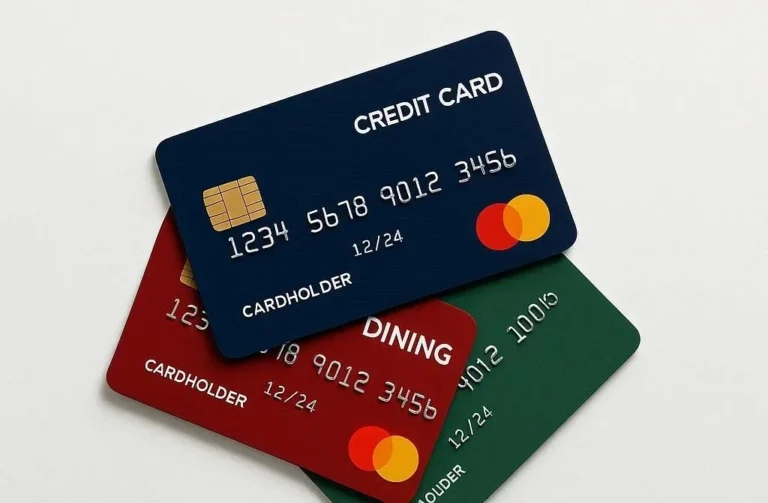
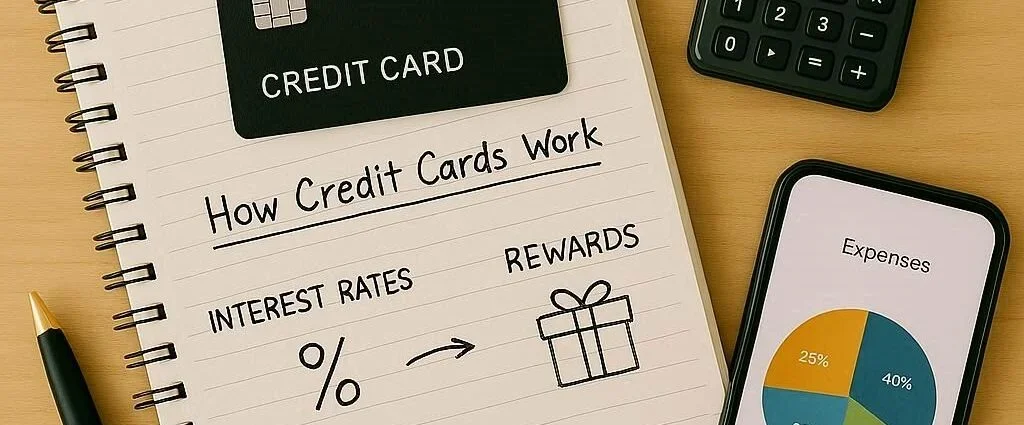
Emerging Credit Card Reward Structures are reshaping how consumers in India harness value from everyday transactions. By the end of 2025, a combination of regulatory changes from the Reserve Bank of India (RBI), technological innovation, and evolving consumer expectations have led banks to rethink cashback rates, tiered reward points, and partnership networks. For Indians who spend on travel, dining, and e‑commerce, understanding the nuances of the latest reward frameworks is vital for maximizing savings and returns on credit usage.
Why Reward Structures Are Shifting
Several forces converge to drive the evolution of credit card rewards. The RBI’s push for transparent interest rates and a tighter cap on minimum cash‑back thresholds has forced issuers to diversify rewards beyond simple percentages. Simultaneously, the proliferation of digital wallets and unified payment interfaces (UPI) requires cards to offer seamless integration with these platforms. Most importantly, Indian consumers are increasingly savvy about personal finance; they compare annual fees, reward multipliers, and redemption flexibilities across cards before making a choice.
Emerging Themes in 2026 Reward Models
1. Tiered Cashback & Point Multipliers – Unlike flat cashback, many banks now offer higher percentages for premium spend categories, such as travel and groceries, mimicking airline mile structures.
2. Co‑Brand Partnerships – Collaboration between banks and e‑commerce giants or telecom operators creates brand‑specific bonus categories with exclusive offers.
3. AI‑Driven Personalization – Using AI, issuers analyze spend patterns to deliver hyper‑personalized reward incentives, such as “double points for the next 30 days on dining” based on real‑time data.
4. Cashless‑only Reward Pools – To support the RBI’s goals for a low‑cash economy, many cards now reward only digital transactions, thereby encouraging UPI, NEFT, and RTGS usage.
5. Green & Social Rewards – Cards reward purchases that align with sustainable or CSR goals, reflecting increasing consumer consciousness.
Case Study: AI‑Powered Reward Calibration by HDFC Bank
HDFC Bank’s “Smart Insight” platform exemplifies how AI transforms consumer credit rewards. The system ingests millions of transaction data points, classifies spending into categories, and instantly adjusts reward multipliers for the next 7 days. This dynamic mechanism has increased total card spend by 12% across the user base while enhancing point accrual rates for high‑spending users.
- Reference: Reserve Bank of India
- Reference: Wikipedia: Credit Card Reward
- Reference: HDFC Bank Official Site
- Reference: Investopedia: AI in Banking
- Reference: Macrotrends: Interest Rate Impact on Rewards
How to Choose the Right Credit Card for Reward Maximization
When selecting a card, consider:
- Annual Fee vs. Reward Worth: A higher fee may be justified if the return on rewards exceeds the cost.
- Reward Caps: Some cards cap points per transaction or per month; assess if your spend pattern aligns with these limits.
- Redemption Channels: Look for flexible redemption—cash, travel, merchandise, or conversions to wallets.
- Dynamic vs. Static Rewards: Dynamic programs can yield unexpectedly high returns during peak periods.
- Customer Support & Digital Experience: Banks with intuitive mobile apps often offer quicker reward notifications and easier management.
Future Outlook: Integration with FinTech & Open Banking
Open Banking initiatives will allow third‑party apps to access spend data securely. This integration promises cross‑product reward bundles—combining a standard credit card with a digital savings account, for example—offering bundled incentives rather than isolated points. FinTech startups are positioning themselves to provide aggregated reward dashboards, simplifying the evaluation of multiple cards in one view.
Conclusion: Stay Ahead of Reward Evolutions
Emerging Credit Card Reward Structures in India are no longer static; they now intertwine regulatory clarity, AI personalization, and green incentives. The cards that will dominate mid‑2026 are those that offer flexible, dynamic rewards paired with strong digital ecosystems. Evaluate the cashback potential, reward multipliers, and integration ease before committing to a card. Regularly monitor offer calendars, and don’t hesitate to switch if a new card better aligns with your spending priorities.
Ready to upgrade your credit rewards? Visit Principal Finance for the latest card comparisons and start maximizing every rupee you spend.
Frequently Asked Questions
Q1. What is the focus of emerging credit card reward structures in India?
Emerging reward structures in India are shifting from simple flat cashback to dynamic, tiered models that reward high spend categories like travel, groceries, and dining. Banks are leveraging AI and data analytics to tailor reward multipliers in real time. The goal is to increase customer engagement while aligning with regulatory pushes for a cash‑less economy.
Q2. How does AI personalize reward offers on my credit card?
AI engines process millions of transaction data points to identify spending patterns. Based on these insights, the issuer can instantaneously bump up reward multipliers for categories you are likely to spend on next, such as “double points on dining for the next 30 days.” This hyper‑personalization boosts overall value without requiring any manual changes.
Q3. What are the benefits of tiered cashback over flat rates?
Tiered cashback provides higher percentages for premium spend categories, meaning you earn more on the categories you actually use most. It also discourages low‑value spend that yields minimal return. Additionally, tiered structures can be coupled with partner programs for exclusive discounts.
Q4. Are green rewards worth the extra fee?
Green rewards typically encourage spending on sustainable products or CSR‑aligned services. While some cards charge a higher annual fee, the value can outweigh the cost if you frequently purchase in those categories. It also offers intangible benefits like reducing your carbon footprint.
Q5. How can I choose the best card for my spending habits?
Begin by mapping your monthly spend across categories. Compare reward caps, redemption options, and annual fees across cards. Look for dynamic reward models or partner bonuses that align with your high‑spend areas. Finally, ensure the issuer has a robust digital platform for easy reward tracking.