Card Cloning Prevention 2026
Card Cloning Prevention 2026 has become a top priority for banks, merchants, and consumers as new wireless skimming devices and sophisticated malware continue to grow every year. The headline threat—stealing card data and duplicating it onto a counterfeit chip—can happen in seconds, wiping out credit limits and damaging reputations. Understanding how to protect against card cloning is essential for anyone who uses payment cards, handles sensitive cardholder data, or wants to stay compliant with the latest PCI standards.
Understanding Card Cloning Threats 2026
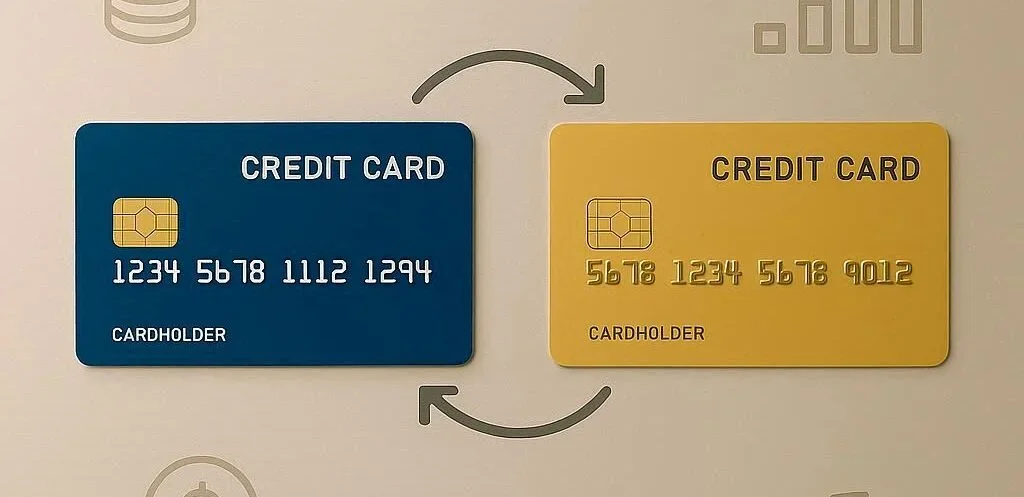
Card cloning is the unauthorized recreation of a magnetic stripe or EMV chip from one card onto another, enabling illegal transactions that appear legitimate to merchants and ATM networks. According to the FDIC and recent government studies, card cloning incidents have risen by more than 30 % in the past three years. In 2026, the biggest risks come from unattended ATMs, compromised merchant terminals, and rogue mobile apps that act as “clone kits.” The threat landscape is not only technical but also behavioral; attackers rely on social engineering to trick users into downloading malicious software that records PINs during legitimate card use.
Key Physical Layer Defenses
Protecting the device itself is the foundational step in preventing card cloning. The most effective physical safeguards include:
- EMV Chip Integration: All new cards issued after 2023 must feature EMV chips, which generate a unique cryptogram for each transaction, rendering duplicated magnetic stripes useless.
- Terminal Tamper Detection: Signalling LEDs, motion sensors, and manual override buttons alert merchants when a device has been physically altered.
- Secure Card Readers: Readers that restrict software access and enforce manufacturer certificates reduce the chance that rogue firmware can write fraudulent data.
- RF Shielding: Physical barriers within state-of-the-art ATM designs block short‑range skimming devices, catching most high‑frequency RFID clones before they operate.
- Shielded Protective Sleeves: For employees and high‑risk environments, magnetic stripe‑blocking sleeves or RFID blocking wallets curb theft at the source.
These measures have been documented in the latest NIST guidelines, which emphasize a layered approach to hardware security.
Cryptographic Safeguards and Tokenization
Beyond physical protection, the industry is moving toward tokenization and encrypted data storage. Tokenization replaces the actual card number with a randomly generated token, which is meaningless if intercepted. Modern payment processors, such as PCI Security Standards Council members, now integrate token services that automatically mask data during checkout. Using 3-D Secure 2.0 (3DS2) authentication, transactions verify the user’s device and biometric factor before data transmission, adding a second layer that prevents cloned cards from being accepted.
Adopting these cryptographic safeguards aligns merchants with PCI DSS 4.0 requirements and significantly lowers their Exposure to card cloning. For consumers, ensuring that the site or app uses TLS 1.3 or higher protects the data as it moves between devices.
Monitoring & Detection Techniques
Even with robust prevention, anomaly detection provides an insurance policy. Payment acquirers and card networks deploy advanced machine‑learning models that track transaction velocity, geographic patterns, and device fingerprinting. A spike in off‑site purchases paired with a new terminal ID can trigger an automated “freeze” that forces a manual audit before settlement.
Merchants can improve detection by:
- Enabling real‑time alerting via API to flag duplicated transaction codes.
- Using merchant‑centered dashboards that surface EMV cryptogram failures.
- Requesting detailed receipts from card‑not‑present transactions to verify high‑value purchases.
- Collaborating with Fraud Prevention Services (e.g., Fraud Prevention Services Committee) for shared risk intelligence.
These tools empower merchants to act before fraudulent money leaves the network.
Consumer Action Steps & Policy Updates
Verify Card Design: At the point of sale, ensure that the terminal displays a chip icon and uses a full‑size EMV reader. A fluorescent magnetic stripe reader is often a red flag.
Use Card‑Protected Identification Numbers: Look for a populating dynamic One‑Time PIN (OTIP) during the checkout flow, a feature mandated by FTC consumer guidelines.
Disconnect Unnecessary Bluetooth and NFC: Many modern payment apps rely on Bluetooth and NFC to transmit card data; disabling them during high‑risk activities reduces exposure.
Policy-wise, 2026 regulators are tightening transparency on clone‑security compliance. The new European Banking Authority regulation requires banks to publish quarterly card‑cloning incident metrics. This openness helps consumers make informed decisions about their banking partners.
Concluding Guard: Stay Ahead of Card Cloning
Card Cloning Prevention 2026 demands a proactive stance: update card technology, employ tokenization, utilize real‑time monitoring, and maintain consumer vigilance. By integrating these measures, merchants can protect their bottom line while customers safeguard their financial identity.
Take action now: If you’re a merchant, audit your terminals for EMV support and enable fraud‑detection APIs. If you’re a consumer, keep your card’s EMV chip certified, disable unused wireless features, and monitor statements for unfamiliar charges. For further, real‑world guidance, reference the comprehensive government resources listed in FBI Identity Theft.gov.
Click here to secure your payment future.
Frequently Asked Questions
Q1. What is card cloning and why is it a big threat in 2026?
Card cloning is the unauthorized duplication of a magnetic stripe or EMV chip data onto a counterfeit card. It lets fraudsters make legitimate-appearing purchases, strip credit limits, and damage merchant reputations, especially as new skimming devices and malware grow more sophisticated.
Q2. How does EMV chip technology help prevent card cloning?
EMV chips generate a unique cryptogram for each transaction, which is impossible to replicate from a single data dump. This dynamic data rendering makes cloned magnetic stripes useless and forces merchants to rely on secure chip authentication.
Q3. What physical defenses should merchants install to block cloning?
Merchants should use tamper‑detecting terminals with status LEDs, secure card readers that enforce manufacturer certificates, RF shielding in ATMs, and encourage cardholders to use RFID‑blocking sleeves or wallets. These layers reduce the risk of skimming and illicit device tampering.
Q4. How can tokenization and 3‑DSecure 2.0 add protection for consumers?
Tokenization replaces actual card numbers with random tokens, rendering intercepted data meaningless. 3‑DSecure 2.0 adds device authentication and biometric checks, so a cloned chip cannot be accepted even if the merchant’s backend receives a valid chip cryptogram.
Q5. What monitoring techniques can merchants use to catch cloning attempts early?
Merchants should enable real‑time alerts for duplicated transaction codes, track EMV cryptogram failures via dashboards, obtain detailed receipts for high‑value card‑present transactions, and partner with fraud‑prevention services that share machine‑learning anomaly insights.