Credit Card Score Impact Guide
When you hear the phrase “credit card credit score impact,” it’s coming to mind how everyday decisions—like paying a balance, using a credit limit, and choosing a card—reflect on your overall credit health. Many borrowers wonder whether a single credit card can be a catalyst for a better or worse credit report, especially when the impact can ripple across various scoring models used by lenders today. This guide covers the facts, offers tools for a proactive approach, and explains how credit cards shape your credit score in concrete terms.
How Credit Card Utilization Spins the Score
The most consistent factor among most consumer credit scores—especially the FICO and VantageScore models—is credit utilization. It’s defined as the ratio of your current balances to your total credit limits. An ideal utilization rate hovers around 30 percent; keeping it even lower will often yield a noticeable bump in your score while higher usage can quickly erode it.
- A high balance on a single card can pinch your overall utilization even if other cards stay low.
- Multiple cards with a single high balance can be less damaging than one card directly maxed out.
- Automatic statement credit card rollovers often lead to higher reported balances if you do not pay them back in full.
Payment History: The Heartbeat of Your Score
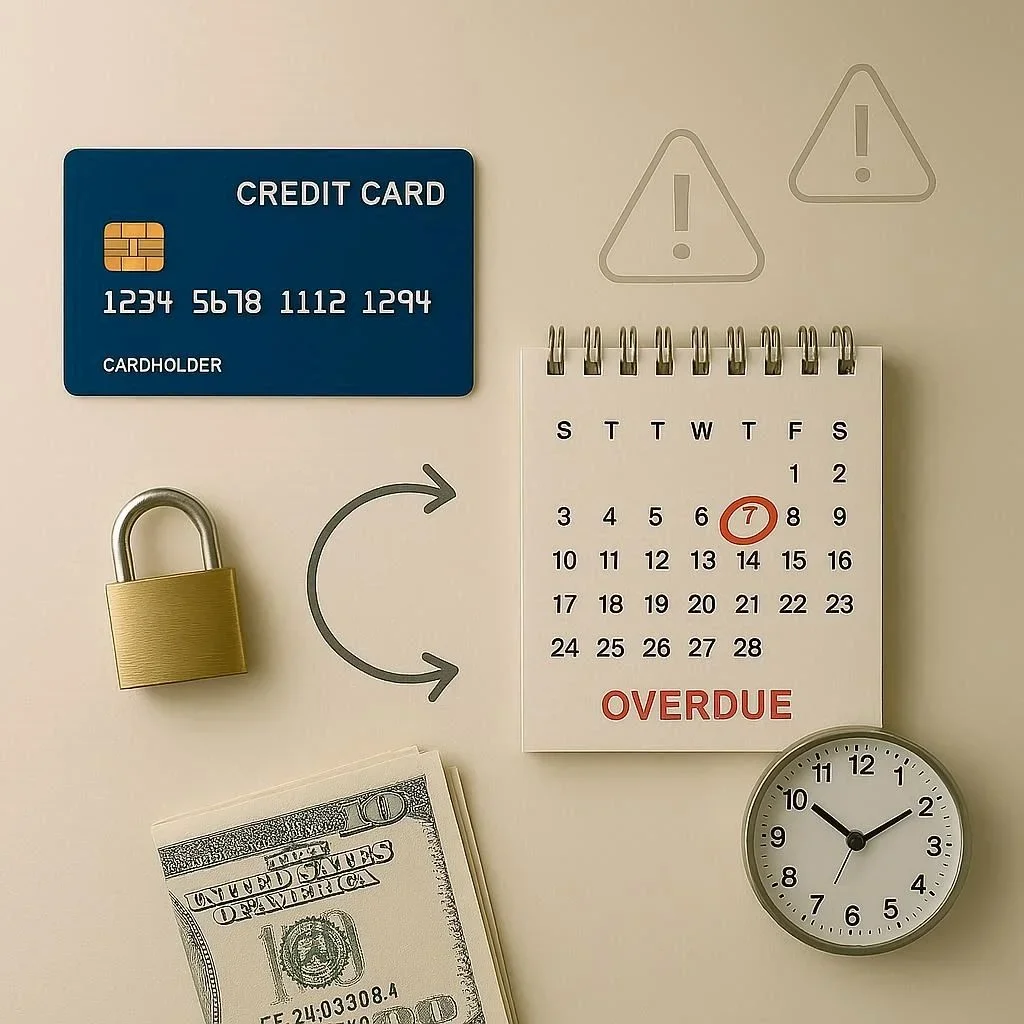
It’s no surprise that payment history is the loudest voice in credit scoring—accounting for about 35 percent of a typical FICO score. Each on-time payment reinforces lending confidence, while missed or late payments trigger a negative change. Credit card issuers report the date you pay each statement balance, the amount, and whether the payment was on time. Even dealing with a small late payment can increase your score by several points if you then demonstrate consistent on-time payment for the next 24 months.
Two frequently asked practices to keep a clean history:
- Schedule automatic payments for at least the minimum due.
- Set up SMS or email payment reminders to avoid the “forgot to pay” scenario.
Credit Age and New Inquiries: Why Opening a Card Matters
While a credit card can add positive history, opening a new account results in a hard inquiry and a temporary dip in your score. If the average age of your accounts drops by more than two years, the impact can be 10-15 points. That said, for a credit report over a decade long, the effect is modest. Conversely, a new card can increase the average credit limit, moderating the utilization factor and, when managed well, offset the initial dip. The key is to weigh the short-term adjustment against the long-term leveraging potential.
Guidelines from the Consumer Financial Protection Bureau advise opening a new account only when your credit profile permits it without excessive risk. That means a stable income, low existing debt burden, and existing history of on-time payments.
Choosing the Right Card: Balancing Rewards, Fees, and Score Impact
Not all credit cards play equally. Look for cards with a low or 0% introductory APR if you plan to carry a balance temporarily. A 0% APR reduces interest charge pressure and signals responsible usage—one of the best signals for lenders. Also, reward cards that encourage smaller, lower balances can be decoupled from heavy utilization. However, a high annual fee can push you to spend more to justify it, potentially leading to higher balances. Weigh the annual fee versus rewards carefully; a card paying off the fee requires low usage.
For instance, a no‑fee travel credit card that offers flexible points may encourage you to pay in full each month, ensuring the credit score stays bright while you earn extras. A premium card with a high annual fee may force you into a spending pattern that pushes your utilization closer to the 30 percent threshold.
Pro Tip: Keep Your Account Open Even After Paying Off Your Balance
Closing a card removes its credit limit from the calculation and shortens your overall credit age—both negative score impacts. Unless you’re certain the card is costing you more than it’s worth, keep it active but manage it conscientiously.
Repairing Damage: Graduated Paths to Score Recovery
If a credit card mistake—such as a misreported balance or a missed payment—skins your score, do not panic. Follow these proven steps:
- Request a free credit report from the Annual Credit Report system and verify details.
- File a dispute through the CFPB dispute tool if you spot any inaccuracies.
- Set up a budget plan that ensures your statements are paid in full or at least on time.
- Consider a secured credit card if you’ve suffered a large score drop; it can help rebuild history when used responsibly.
These actions can add points at different rates. For example, a verified dispute may add 10-15 points if it results in a corrected reporting. Consistent on-time payments typically add 20-35 points after 30 days of a clean streak, while reducing utilization can earn 10-15 points once the balance drops below 30 percent.
Conclusion: The Goal— A High Credit Score and More Opportunities
Understanding the credit card credit score impact is the first step toward mastering personal finance. By monitoring utilization, ensuring timely payments, strategically selecting the right cards, and keeping debt ratios healthy, you arm yourself with tools to rise above the uncertainties of credit markets. Whether you’re seeking a mortgage, a car loan, or looking to secure a better interest rate for a future headline, your credit score is a powerful lever in the real world.
Ready to take control? Start tracking your utilization today, set up automated payments, and schedule a credit report review. Embrace your credit card’s potential as a green light for sound financial freedom—because a higher score opens doors, reduces costs, and paves the way to a more secure financial future.