Smart Credit Card Usage Tips
Using a credit card wisely can unlock rewards, build credit, and protect you against unexpected expenses, but it requires more than simply swiping and paying the balance. Smart Credit Card Usage is about knowledge, discipline, and planning. Understanding how interest compounds, how to choose the right card for your spending habits, and how to automate payments can transform your financial health.
Know Your Credit Score Before Applying
Most card issuers check your credit score before approving an application. A higher score gives you access to cards with lower interest rates and better rewards programs. Use free tools from the Consumer Financial Protection Bureau to monitor your score for free. If your score is below 680, focus on improving credit utilization by paying down existing balances and keeping your credit limits low. A solid credit score can save you thousands over the life of a credit card account.
Choose the Right Card for Your Lifestyle
Not every credit card is created equal. Some cards offer cash back on everyday purchases, while others provide travel points that can be redeemed for flights or hotels. When selecting a card, consider the following:
- Reward Category: Does the card boost your most common purchases (e.g., groceries, gas, dining)?
- Annual Fee: A high fee can be worthwhile if the rewards exceed the cost.
- Introductory APR: Low or 0% APR for a limited period helps with large purchases or when moving debt.
- Foreign Transaction Fees: Essential if you travel abroad.
When in doubt, use the credit card comparison tools available on major financial websites. These tools consider your credit profile, spending habits, and goals to recommend the best fit.
Automate Payments to Avoid Late Fees
Late payments trigger fees and can dent your credit score. Setting up autopay to cover at least the minimum payment, or better yet the full balance, eliminates the risk of missing a due date. Many issuers offer a free credit score update when autopay is enabled, giving you real-time feedback on how on-time payments influence your credit. Additionally, consider enrolling in the Federal Reserve’s budgeting tools that alert you when big charges accumulate, helping you budget on a month‑to‑month basis without defaulting.
Keep Credit Utilization Low
Credit utilization—the ratio of your credit card balances to available limits—directly impacts your credit score. Ideally, you want to stay below 30% on each card and 10% overall. For a card with a $5,000 limit, keep the balance below $1,500. Splitting purchases across multiple cards can also help maintain a low utilization percentage on each.
Regularly reviewing your balances as part of monthly budgeting ensures you stay within safe thresholds. Many apps let you tie in your bank accounts for real‑time usage charts, letting you spot trends before they become a problem.
Maximize Rewards Without Overextending
Reward points and cash back can accumulate quickly, but they can also lead to overspending if you perceive a free luxury. Implement a “reward budget” that allocates a set portion of your monthly spending to reward categories. For example, if you aim for 3% cash back on groceries, stick to a grocery budget that matches the card’s benefit tier. Remember that some cards offer bonus rounds—like double points on weekends—so schedule non‑essential purchases during those periods to maximize value, but never go beyond your cash flow.
Review Fees and Interest Rates Regularly
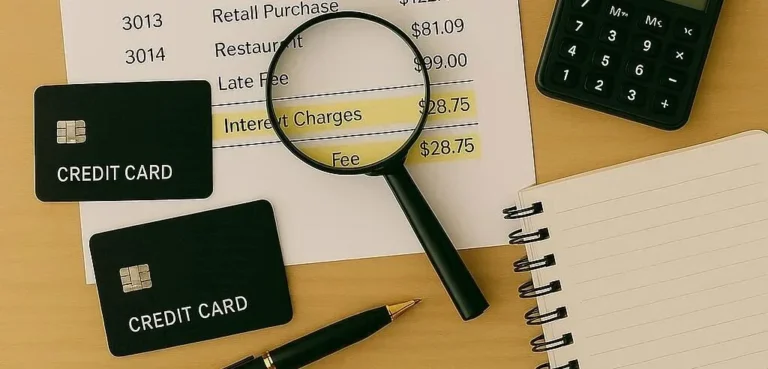
Credit card terms can change when you hit certain thresholds or when issuers update their fee structure. Keep an eye out for annual fee increases or the addition of foreign transaction fees. If a card adds a fee you don’t use, consider switching to a no‑fee alternative—especially if the rewards don’t justify the cost. Most issuers provide a quarterly statement summary that lists fees and interest rates; read it closely and ask questions if anything is unclear.
Plan for Big Purchases and Balance Transfers
Before making a sizable purchase, compare the long‑term cost across cards. A 0% intro APR card might reduce monthly payments for a new appliance, but you must pay the balance before the promotional period ends. For debt consolidation, balance transfer offers can reduce interest, but beware transfer fees typically costing 3%–5% of the transferred amount. Use the U.S. Congressional Budget Office resources to estimate the total cost over the promotional period.
Conclusion: Turn Smart Practices into Habit
Smart Credit Card Usage isn’t a one‑time decision—it’s a continual practice of monitoring, adjusting, and leveraging credit responsibly. Implement the steps above, track your progress, and celebrate milestones, such as reducing utilization or earning a first travel reward. In doing so, you’ll not only protect your financial future but also enjoy the benefits that come with a disciplined credit card strategy.
Start applying these habits today and watch your credit grow! Set up autopay, choose the best card for your lifestyle, and stay below 30% utilization to build a stronger financial foundation.
Frequently Asked Questions
Q1. Why should I check my credit score before applying for a credit card?
Most issuers review your credit score during the approval process. A higher score can secure cards with lower interest rates and better rewards, while a lower score may limit your options or result in higher APRs. Knowing your score also helps you target cards that match your credit profile and prepare to improve any weak points. Being proactive saves time, prevents surprises, and positions you for better terms.
Q2. How do I select the credit card that best fits my lifestyle?
Start by identifying your biggest spending categories—groceries, gas, dining, travel, etc.—and look for cards that offer higher rewards in those areas. Evaluate annual fees against the potential rewards; if benefits exceed the fee, the cost is justified. Examine introductory APRs for large or planned purchases and check for foreign transaction fees if you travel abroad. Using comparison tools on reputable finance sites can align your credit profile and spending habits with the best card match.
Q3. What are the advantages of setting up autopay for my credit card?
Autopay eliminates the risk of late payments, protecting your credit score and avoiding late fee charges. Many issuers offer free credit score updates when autopay is enabled, giving you real‑time feedback on on‑time payments. It also ensures you never miss a due date, reducing the chances of a missed payment entry on your credit file. Automating the full balance or the minimum payment keeps your account clear and reinforces disciplined spending.
Q4. What is the ideal credit utilization ratio and why does it matter?
Credit utilization is the ratio of your credit card balances to your available limits. The general rule is to keep utilization below 30% on each card and ideally around 10% overall for optimal credit scoring. Lower utilization shows lenders you rely less on credit and manage debt responsibly, which positively impacts your score. Regularly monitoring balances helps maintain this threshold and prevents accidental over‑spending.
Q5. How can I maximize rewards without overspending?
Create a “reward budget” that limits your spending in bonus categories to what you would normally spend. Plan non‑essential purchases during bonus periods, such as double points weekends, but stay within your cash flow. Avoid using rewards to justify larger purchases; focus on benefits rather than the perception of free money. Tracking expenses through budgeting apps keeps you aligned with your reward strategy.