Safe Credit Card Online Payments
In today’s digital economy, consumers rely on credit cards for everything from everyday groceries to luxury travel bookings. When you tap “Buy” on a website, the invisible dance of data encryption, tokens, and verification steps ensures your financial information remains secure. But how does this all work? What etiquette should you follow to protect yourself from fraud? This guide breaks down the science and practice behind safe credit card online payments, gives you actionable tips, and demystifies the regulations that protect when you do business on the web.
Safe Credit Card Online Payments: What You Need to Know
At its core, a safe card transaction is a transaction that conserves confidentiality, integrity, and availability of your data. The three pillars of cybersecurity—confidentiality (keeping data private), integrity (protecting against tampering), and availability (ensuring data can be accessed when needed)—apply equally to the online payment world. In practice, this means merchants should implement the PCI Data Security Standard (PCI DSS) and adopt encrypted connections (HTTPS/SSL). While many store owners automate compliance, the end user must still apply best practices such as verifying website authenticity and keeping card details offline.
Secure HTTPS Connections and Tokenization Techniques
Every time you see a padlock icon in your browser’s address bar, you’re witnessing the first layer of protection: Transport Layer Security (TLS). TLS encrypts data between your computer and the merchants’ servers, preventing an eavesdropper from reading or altering your transaction information. Modern browsers always require TLS 1.2 or higher for high‑value transactions, a trend that is becoming a federal standard around the world.
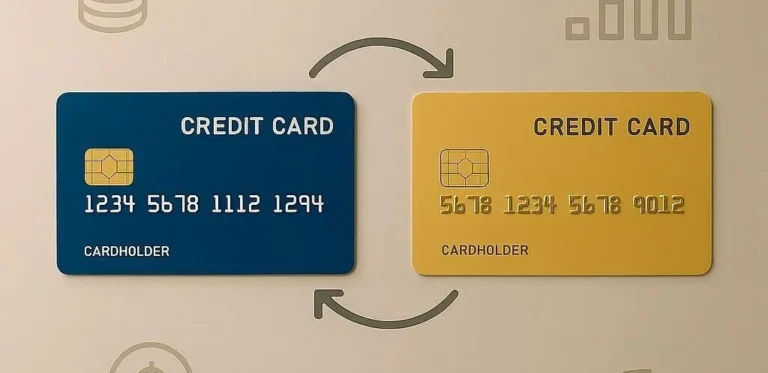
After the data reaches the merchant, tokenization replaces any real credit card number with a random token—a unique, one‑time identifier that the payment processor can later match to the legitimate card. This means that even if a hacker breaches a merchant’s database, the stolen tokens hold no resale value. Tokenization is a key part of PCI compliance, and is supported by major card networks like Visa, Mastercard, and American Express.
Learn more about tokenization on the PCI Security Standards Council website. For an academic perspective, consult the Wikipedia entry on tokenization.
Fraud Prevention Measures: Two‑Factor Authentication & AI Monitoring
Beyond encryption, financial institutions employ two‑factor authentication (2FA) and artificial‑intelligence monitoring to flag suspicious purchases. 2FA typically involves:
- Something you know: your card’s CVV or PIN.
- Something you have: a one‑time code sent to your phone or an authenticator app.
- Something you are: a biometric scan (fingerprint or facial recognition).
Using 2FA reduces the risk of unauthorized use even if a card detail is compromised. Most major issuers, including Visa and Mastercard SecureCode, recommend enabling the feature on every online account. Additionally, card providers deploy AI systems that watch for anomalies such as unusually large transactions or new cardholder IP addresses.
What You Should Do as a Purchaser
1. Always log in to your bank or credit‑card account through a secure, known URL—do not follow links from unsolicited emails.
2. Enable 2FA whenever available.
3. Review your transaction history daily; flag accounts that have not authorized the purchase.
4. Use a virtual or disposable card number for one‑off high‑risk purchases.
For more detailed consumer guidance, the FTC’s Fraud & Identity Theft guide provides tips for maintaining digital safety across all transactions.
Digital Wallets and Contactless Payments: A Convenient but Secure Alternative
Digital wallets—such as Apple Pay, Google Pay, and Samsung Pay—remove large‑scale card data from the online checkout process. Instead of typing or pasting your card details, you send a token that is signed by your device’s Trusted Execution Environment (TEE). Even if a merchant’s database is breached, the token is unusable by the attacker.
These wallets also offer real‑time monitoring and instant transaction alerts via push notifications, providing an additional safety net. Studies (see National Bureau of Economic Research) show that digital wallets can reduce fraud incidence by up to 30% compared to traditional card usage.
Choosing the Right Digital Wallet
When selecting a wallet, consider:
- Device compatibility: ensures your phone can store secure tokens.
- Vendor support: the ability to add your existing cards.
- Security features: built‑in biometrics and 2FA.
Always keep your device’s operating system updated; patches often close security vulnerabilities that could otherwise compromise your wallet.
Understanding and Managing PCI DSS Compliance
PCI DSS requires merchants to implement segmented networks, regular vulnerability scans, and annual penetration testing. However, many shoppers assume the onus lies solely with the business behind a checkout button. The truth is all stakeholders—merchants, card issuers, payment processors—share responsibility for the security chain.
PCI DSS compliance is publicly audited and verified. Merchants often display badges such as “PCI Secure” or “Verified by Visa” to signal compliance. However, a badge is not a guarantee. Verify that your merchant uses updated TLS, reads the Mastercard Merchant Resources to confirm best practices.
Educating Your Customers
Providers that invest in educational resources—like step‑by‑step guides for setting up 2FA—report lower fraud rates. Consumer education is a key pillar of the Cardfedsuit educational portal, which offers up‑to‑date tutorials on securing online payments.
Practical Checklist for a Safe Online Purchase
- Check for HTTPS and a padlock in the address bar.
- Verify the merchant’s URL and contact information.
- Use a payment method with tokenization or a digital wallet.
- Enable two‑factor authentication on your financial account.
- Monitor transaction notifications and promptly report suspicious activity.
By combining corporate security standards with personal vigilance, you’ll protect not only your money but also your identity. A small investment in security—such as setting up a vault password manager—yields tremendous returns when average cyber threats loom larger each year.
Strong Conclusion & Call to Action
Online payments can be as safe as the layers of protection stacked between you and the merchant. By staying informed, using secure protocols like HTTPS, adopting tokenization and digital wallets, and empowering yourself with two‑factor authentication, you reduce the chances of a fraudulent hit to your credit card.
Take the next step today: scan your browser for a padlock, set up 2FA on your bank app, and choose a reputable digital wallet. Don’t let convenience override security. The smartest financial decision you can make right now is to protect your digital wallet as fiercely as you guard your pocket.