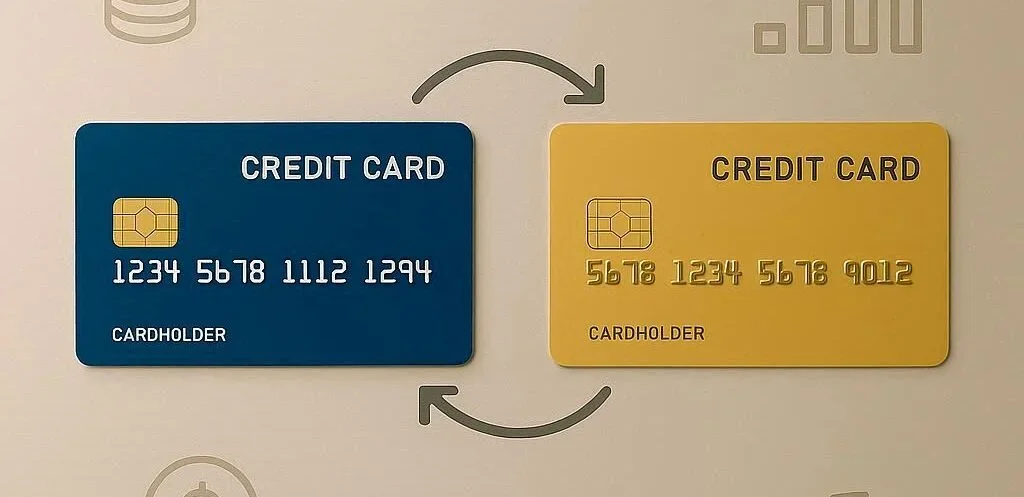
Premium Metal Credit Cards Ranked
When it comes to building an elite lifestyle, Premium Metal Credit Cards have carved out a niche that blends prestige, security, and unrivaled benefits. Whether you’re traveling the world, frequenting high-end restaurants, or simply enjoying year-round perks, the right metal card can elevate every purchase. In this guide, we will rank the top premium metal credit cards available in 2026, explain why they stand out, and help you determine which one aligns with your spending habits and goals.
What Makes a Credit Card ‘Premium Metal’?
While the market is saturated with complementary plastic and cardboard offerings, premium metal cards set themselves apart through their tangible quality and elite terminology. Here’s how:
- Construction & Design – Most premium cards are forged from stainless steel, titanium, or even recycled aluminum, often featuring engraved logos or custom finishes.
- Benefits & Perks – They typically bundle lounge access, concierge service, and substantial annual reward points or cash back.
- Exclusivity – Higher minimum income or credit score thresholds, limited issuance, and invitation‑only status are common.
- Durability & Security – Metal cards resist wear and tear, dimming the risk of chip‑or‑magnetic degradation, and often incorporate additional security features such as RFID blocking.
These elements translate into an elevated consumer experience that justifies the often higher annual fee.
Top Ranked Premium Metal Credit Cards of 2026
Below we rank the current best metal cards based on rewards, travel perks, fee structure, and user experience. All are available in the U.S. 2026 market.
- American Express® Gold Card – American Express offers a platinum‑grade metal card that rewards 4X points on restaurants worldwide and 3X on flights booked directly with airlines or on Amex.com. The 2026 annual fee is $250, but the travel benefits, including airline fee credits, substantially offset that cost.
- Chase Sapphire Reserve® – Chase again tops the list with a sleek titanium card. You earn 3X points on travel and dining, and the card also includes a $300 annual travel credit, Priority Pass lounge access, and comprehensive travel insurance.
- Citi Prestige® Card – Citi delivers a luxurious titanium experience. With 5X points on airline purchases and a $250 airport lounge fee credit, this card is excellent for frequent flyers.
- U.S. Bank Altitude Reserve Visa® Signature Card – This titanium card focuses on points with the Altitude program as well as a $75 Global Entry or TSA PreCheck credit. Its lower $155 annual fee makes it a great value for moderate travelers.
- Capital One Venture X Rewards Credit Card – Though backed by a plastic frame, the Venture X’s upgraded titanium version offers 3X miles on hotels and rental cars, a $300 annual travel credit, and Priority Pass membership.
While the above list highlights the most popular offerings, not every card is right for everyone. Let’s explore how to evaluate them effectively.
Key Features to Evaluate
Use this checklist to compare luxury cards and determine which one will enhance your lifestyle.
- Annual fee vs. offsetting benefits – Calculate the break‑even spend required to justify the fee.
- Rewards rate on key categories – Higher rewards on travel, dining, or groceries translate to more value.
- Travel credit or fee reimbursement – $200–$300 airline lounge or hotel credits a year can offset many fees.
- Insurance coverage – Travel, purchase protection, and auto rental insurance are game‑changers.
- Customer service & concierge – A responsive service team can save you time in emergencies.
- Interest rates – While many premium cards offer 0% introductory APR, long‑term rates should be considered if you plan to carry a balance.
- Credit limit & financing options – Meticulous customers often desire high credit limits and flexible payment plans.
By addressing each of these components, you can assess the cost vs. value of any premium metal card.
Cost vs. Value: Annual Fees and Rewards
Premium metal cards typically carry higher annual fees ranging from $155 to $500. The trick is to assess whether the rewards and benefits outweigh that cost for your specific spending habits. For instance, a card with an $200 annual fee offering 3X points on dining and a $300 travel credit provides immediate value to a moderate traveler. Conversely, a $500 card that offers extensive airline fee waivers and access to 40+ premium lounges will resonate with the ultra‑frequent flyer.
If you are concerned about interest rates, check the Consumer Financial Protection Bureau for the latest benchmarks. A lower APR can save thousands if you carry balances. Meanwhile, the credit limit plays an equally pivotal role: a high limit affords greater purchasing power and yields a stronger credit utilization ratio, which boosts your credit score.
Security, Durability, and Extra Perks
Metal cards naturally last longer and resist bending or fraying. Many also guard against RFID skimming. The integration of contactless technology further ensures that you can tap, swipe, or show bucks with confidence. Finally, certain issuers provide hacking or fraud monitoring services as part of the premium offering.
These added layers of security underpin why merchants often accept these cards with fewer concerns. Conceivably, your financial well‑being is safeguarded by a fine-tuned blend of reward points, travel compensation, and fraud prevention tools.
Industry Expert Insights
Financial analysts consistently rate premium metal cards as an investment in lifestyle quality. According to a 2025 report from Forbes, premium cards deliver an average of 0.12% return on spend when factored against the annual fee. Moreover, the U.S. Treasury highlights that high‑net‑worth consumers tend to report lower life stress when they have reliable prepaid travel services tied to their cards.
Choosing the Right Premium Metal Card for Your Lifestyle
Below is a quick decision matrix based on common traveler profiles:
- Adventure List – Focused on travel and novelty: Chase Sapphire Reserve® or American Express® Gold Card for travel credits and lounge access.
- Business Nomad – Needs high spend limits and comprehensive coverage: Citi Prestige® for premium airline benefits.
- Budget‑Conscious Enthusiast – Minimal fee with strong rewards: U.S. Bank Altitude Reserve.
- Luxury Traveler – Seeks deluxe per‑card perks: American Express® Gold Card and Citi Prestige® statisfy.
When selecting your card, reflect on what matters most: is it a global lounge network, a flexible rewards scheme, or an end‑to‑end concierge experience? Once you’ve identified your priorities, the above matrices can guide your decision.
Final Thoughts and Next Steps
Premium metal credit cards represent more than just a higher annual fee; they enable an elevated lifestyle, comprehensive travel benefits, and an extra layer of security. When judged against cost versus value and your personal travel habits, these cards can return measurable fiscal and experiential gains. That said, always scrutinize the fine print for any hidden policy changes that may affect first‑time applicants.
Ready to elevate your spending power? Apply now for a premium metal card that aligns with your goals and start reaping elite rewards today.
Frequently Asked Questions
Q1. What makes a credit card a premium metal card?
Premium metal cards differ from standard plastic cards by their crafted stainless steel or titanium bodies, built‑in RFID protection, and often a higher annual fee. They usually come with luxury perks such as lounge access, concierge service, and generous rewards or travel credits. These features create both a tactile premium feel and a tangible value proposition for high‑spending consumers.
Q2. Do the rewards on premium metal cards outweigh the annual fees?
It depends on your spending pattern. If you use the card for travel, dining, or airline purchases, the 3‑ to 5‑X point multipliers and travel credits can offset a $200–$400 fee in a few months. Compare your annual spend with the break‑even point to decide if the benefits deliver net value.
Q3. Are the travel benefits of metal cards the same across issuers?
Not exactly. Some issuers offer Priority Pass lounge access, while others provide their own network such as Amex Centurion or Citi’s Suite Life. Likewise, travel credits vary—from $250 for airline fees to $300 for hotel spend—so check the specific perks each card lists.
Q4. How does metal construction affect security?
Metal cards retain an embedded chip and contactless chip, reducing the risk of magnetic stripe degradation. Many also include RFID blocking and tamper‑detection; the durability means fewer card replacements, lowering the chance of unauthorized points abuse.
Q5. Is a lower‑fee metal card worth it for occasional travelers?
Absolutely, if your annual spend remains below the break‑even point. For example, the U.S. Bank Altitude Reserve charges $155 and offers a $75 Global Entry credit—great value for a budget traveler. Evaluate your travel frequency and spending to pick the right balance.