Best Indian Credit Cards Online
Choosing a credit card in India today is more interactive than ever. With digital banking platforms and dedicated comparison portals, shoppers and frequent travelers can evaluate offers from dozens of issuers without stepping into a branch. However, the volume of credit cards—reward, balance‑transfer, travel, and co‑branded—can be overwhelming. A clear comparison framework that captures the key components—interest rates, annual fees, reward structures, eligibility criteria, and bonus benefits—is essential before applying. The following guide simplifies the process by reviewing the most prominent online credit card categories, highlighting what matters most to each type of user, and providing actionable checklists for informed decision‑making.
Understand the Core Types of Online Credit Cards
Indian credit cards are broadly divided into four families. Each family caters to distinct spending habits and financial goals.
1. Rewards Cards
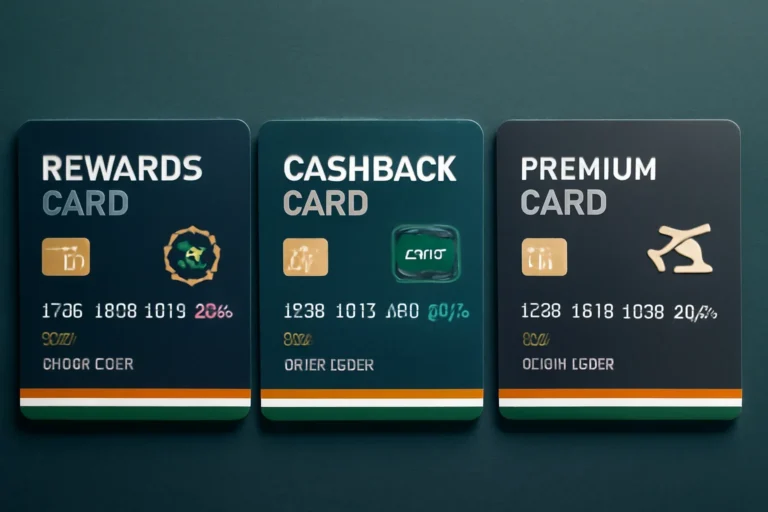
Rewards cards promise cashback, airline miles, or merchant discounts in return for everyday purchases. Key metrics to assess: cashback rate, redemption limits, partner list, and the fee‑to‑benefit ratio.
2. Balance‑Transfer Cards
These cards allow you to shift debt from higher‑interest servicing accounts. Critical features are the promotional period, transfer fee, and the duration of the low-rate window.
3. Travel Cards
Travel cards target frequent flyers or holidaymakers and offer perks such as lounge access, travel insurance, and mileage conversion options. The most valuable indicator is the balance of loyalty points relative to the annual fee.
4. Co‑branded Cards
Co‑branded cards are issued in partnership with airlines, hotels, or retail giants. They provide dedicated reward pathways but typically have stricter eligibility or usage constraints.
Check the Financial and Legal Landscape
Before diving into comparison tables, verify that the issuer is regulated by the Reserve Bank of India, the central bank overseeing credit card operations. Regulatory compliance protects consumers from predatory interest adjustments and ensures lender accountability. Read the RBI’s Card Issuer Guidelines for technical norms and the legal obligations linked to online credit applications.
Compare APR, Fees, and Activation Costs
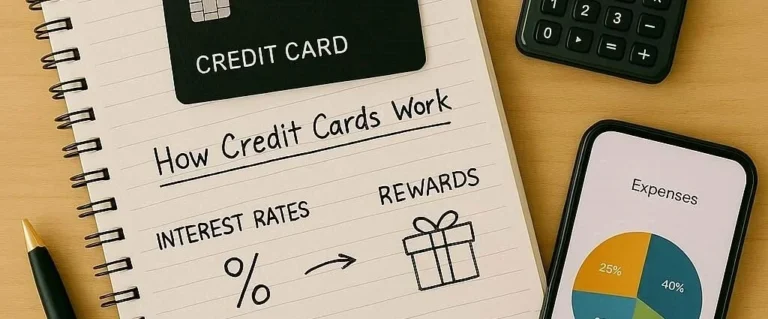
- APR (Annual Percentage Rate): This is the interest you pay on unpaid balances. Look for lower APRs on balance‑transfer cards if you plan to carry a balance.
- Annual Fee: Many reward cards charge a yearly fee that must be justified by cash back or travel benefits.
- Foreign Transaction Charges: If traveling overseas, some cards waive the 2–3% foreign exchange fee.
- Activation Penalty: A few card issuers charge an activation fee. Confirm if this is refundable after a period.
Example Comparison Metric
Suppose Card A offers 1% cashback on all purchases with a ₹2,500 annual fee and a 15.99% APR. Card B has no fee, but its cashback is 0.5% on groceries and 0.1% on everything else, with an APR of 13.5%. If you spend ₹50,000 monthly on groceries, Card B yields ₹25/month vs. Card A’s ₹500-month cashback minus ₹2,500 fee—net savings with Card A only if you spend above ₹30,000 annually on qualifying categories.
Leverage Bonuses and Introductory Offers
Python mentions that India’s credit card marketplace curates “first‑purchase” and “high‑spend” homestay bargains. Bonuses such as 10,000 reward points after a spending threshold or a 0% interest period for the initial three months can swing the choice especially for brand‑new cardholders. However, always factor the back‑out time before the promotional period expires.
Notice Period Strategies
1. Identify the spending window—the months you will trigger the bonus.
2. Align the bonus value with your actual spend.
3. If the bonus is a large points sum, compute its equivalent monetary value for a realistic comparison.
Assess Rewards Redemption Flexibility
Rewards can be redeemed across multiple categories: flight tickets, holiday packages, merchandise, or converted into cash. A handy headline is “where can these points fetch me?”.
- Merchant networks: Consider cards that partner with prominent retailers like Amazon or Shopify for high-value discounts.
- Airline miles: Some cards let you top‑up points directly to airline mile programs, useful if you fly frequently.
- Cashback equivalence: Not all cards allow you to convert points to cash; when available, the conversion rate is a decisive factor.
Check Customer Support and Digital Experience
Online credit card applications should ease the process. Look for built‑in KYC verification via Aadhaar and digital consent management. According to The Economic Times, banks that integrate KYC seamlessly reduce fraud. Quick response times to query resolution and 24/7 customer service often differentiate top issuers.
Why Third‑Party Comparison Tools Are Helpful
As of 2025, reputable financial portals like Moneycontrol aggregate real‑time offers from banks, letting you sort cards by ‘lowest APR,’ ‘highest cashback’ or ‘best travel benefits.’ These tools automatically refresh periodic rates and offer alerts for any changes in terms, ensuring you’re working with the most up‑to‑date information.
Final Checklists Before You Click ‘Apply’
- Ensure your credit score is within the issuer’s qualification band.
- Match the card’s benefits against your spending habits.
- Read the fine print: annual fee vs. rewards, introduction expiry dates, and penalty terms.
- Confirm KYC coverage and digital identity sync capability.
- Contact the issuer’s customer service for any unclear clauses.
Take Charge of Your Credit Journey Today
Armed with a clear framework for Indian Credit Cards Online, you can move from a crowded options list to a rational choice that aligns with your lifestyle. From when to apply for a travel card that offers lounge access to choosing a balance‑transfer option that eliminates debt within six months, each decision is data‑driven. Don’t let an unexamined fee or hidden clause undermine your financial goals—compare, evaluate, and activate the card that truly serves you.
Ready to make a smart switch? Use an online comparison portal, double‑check the bonus conditions, and submit your application. The bank’s decision will come in 24–48 hours if you meet all criteria—so start now and transform your spending into value.
Frequently Asked Questions
Q1. How do I compare the best Indian credit cards online?
Use dedicated comparison portals such as Moneycontrol or BankBazaar, filter by key metrics like APR, annual fee, and reward categories, and assess how each card aligns with your spending patterns. Look at user reviews, claim limits, and card issuer’s reputation. Always double‑check the latest offer details on the issuer’s official website before making a decision.
Q2. What is the difference between a rewards card and a balance‑transfer card?
A rewards card earns points, cashback or miles on everyday purchases, usually with a flat or tiered reward rate, while a balance‑transfer card focuses on offering a low or 0% introductory APR period for transferring debt. If you carry balances, a balance‑transfer card can save you interest; if you want value on spend, a rewards card is preferable.
Q3. Are foreign transaction fees unavoidable on Indian credit cards?
Many premium cards waive the typical 2–3% foreign transaction charge, especially travel cards and those with higher annual fees. Lower‑tier cards may still impose a fee, though some issuers offer “no‑FX fee” promotions for limited periods.
Q4. What should I look for in travel card bonuses when applying?
Examine the bonus points threshold, the redemption value for airline miles, and whether additional perks like lounge access or travel insurance are included. Also verify if the bonus points can be carried over to partner airline programs or are limited to the issuer’s own portal.
Q5. How quickly can I start using a new online credit card after approval?
Most issuers activate a card within 24–48 hours post‑approval, provided you complete the online KYC and receive the card by post. Some banks now offer virtual cards instantly for online purchases while waiting for the physical card.