Best Reward Cards For Professionals
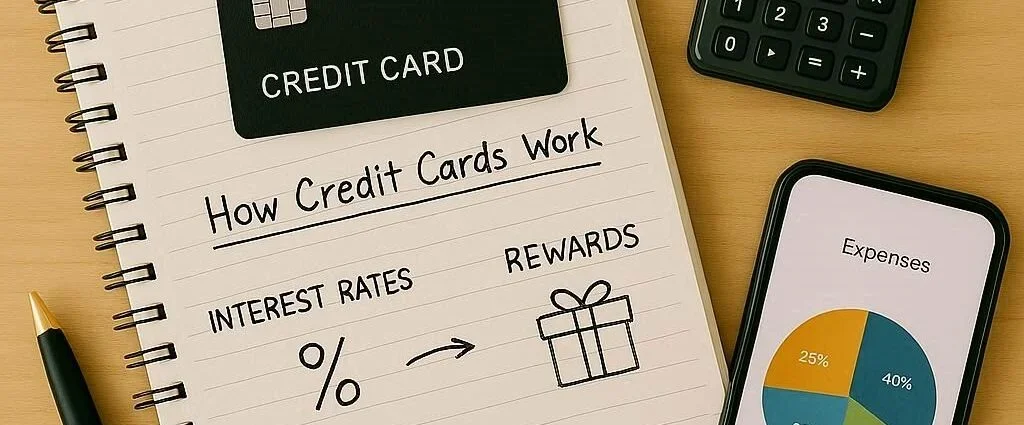
For high-income professionals, the smartest part of your financial toolbox is a credit card that turns everyday spend into meaningful rewards. Whether you’re flying to client meetings, booking hotel stays, or simply paying for office supplies, a well-chosen card can turn your outlays into cash back, travel miles, and other perks that add real value to your lifestyle. This guide dives into the best reward cards for professionals who earn above the median salary, highlighting the levels of cost, benefits, and suitability for a busy lifestyle. We’ll cover why premium cards make sense, how to choose the right product, and which cards consistently deliver top performance.
Why High Earnings Demands Premium Rewards
High income professionals often acquire rewards at a scale that surpasses the average consumer. A single quarterly expense can reach several thousand dollars, and the cumulative rewards from a premium card can easily offset or exceed the annual fee. The critical factor is aligning each card’s reward structure with your spending habits. For example, a professional who frequently travels abroad will benefit more from a travel‑centric card, while someone who logs hundreds of miles of commute mileage each year may be better served by a cash‑back or airline loyalty card. By pairing your spending profile with the most suitable reward schema, you can earn 1X–3X the reward rate—mortgaging nothing in return.
Factors to Match Card Features With Lifestyle
When evaluating a premium or high‑fee card, there are four key dimensions to consider: annual fee, reward rate, bonus categories, and additional lifestyle perks. Each dimension matters differently for high earners.
- Annual Fee – The cost of the card should be justified by the annual rewards you anticipate. A 550‑dollar fee is reasonable if you generate threefold or larger rewards each year.
- Reward Rate – Find a card that offers the highest rate in your core spend categories (flight, hotel, dining, fuel, business travel).
- Bonus Categories – Some cards provide 3X or 5X miles for a limited set of categories each year. Align these with your yearly budget to maximize the upside.
- Perks & Lifestyle Benefits – Complimentary lounge access, concierge, concierge trip planning, insurance protection, and flexible redemption options preserve the card’s value beyond raw points.
Tip: Keep a spreadsheet that calculates expected rewards versus fee for each card, and adjust monthly if you notice category spending shifts.
Top 5 Reward Cards for High-Income Professionals (2026)
Below is a hand‑picked list of the most compelling rewards cards for professionals nine years from now. All cards are U.S.‑issued, premium‑tier options with robust rewards for air travel, dining, and business spend.
- American Express® Gold Card – 3X points on dining and 2X on flights. The annual fee is $250, but the annual online shopping credit and $120 dining credit can offset it if you travel frequently.
- Chase Sapphire Ultimate – Earn 2X points on travel and dining worldwide. The $550 fee pays for the generous 100,000 bonus points and the broad lounge collection.
- Citi® United Club Card – Earn 2X miles on United Airlines flights and global dining. It offers low‑fee United‑sealed lounges and a travel insurance bundle.
- Citi® Gold Visa – Best for high spend on gas and grocery, with 3X points there, plus 2X on dining and flights.
- HSBC Premier Credit Card – 5X points on luxury hotels and 1X on business spend. For executives who travel globally, this card has a strong portfolio of global travel benefits.
These cards provide a mix of flat-rate and category‑boost rewards, ensuring you do not miss a dollar you could convert into a discount or free travel while keeping the fee to a manageable level.
Managing Fees vs Reward Upside: A Quick Calculation Guide
Here’s a simple framework to ensure the card you pick actually nets positive value.
- List your annual spend in each reward category (air travel, dining, fuel, office supplies, etc.). Example: $12,000 on flights, $8,000 on dining, $4,000 on fuel.
- Apply the card’s reward rate to each category. For “Chase Sapphire Ultimate”, assume 2X on travel and 2X on dining: 12,000 × 2 = 24,000 pts; 8,000 × 2 = 16,000 pts. Convert to dollar value using the redemption rate (e.g., 1 point = $0.01) for a total of $400.
- Add any sign‑up bonus or annual credit to this figure: 100,000 pts = $1,000 plus $200 airline credit = $1,200.
- Subtract the annual fee ($550). Net reward: $1,200 – $550 = $650.
- Repeat for each card and compare the net rewards.
Use a spreadsheet or a free online calculator from CreditCardRewards.com to force the numbers and avoid guesswork.
Legal and Consumer Education Resources for Credit Rewards
High‑income individuals sometimes overlook basic consumer education. Understanding how credit cards work—from Wikipedia’s overview of credit cards to detailed U.S. Federal Reserve explanations on financial literacy—helps you avoid pitfalls such as high APR or compounding fees.
For real‑world examples of how large corporations maximize reward spend, check out the Consumer Financial Protection Bureau’s guide on free credit card tips. These resources underscore the importance of robust budgeting and strategic use of reward points.
Conclusion: Turn Every Dollar Into a Reward Lever
When you earn well, the card that simply pays the cheapest fee is the least valuable. Instead, top-tier reward cards convert corporate spend into tangible savings—whether it’s a 30‑day flight, a daily lunch, or a corporate conference ticket. By choosing cards whose reward structures align with your travel habits and spending categories, you keep your net benefits in the positive quadrant and build a credit profile that counts.