Credit Card Balance Transfer Guide
Are you drowning in high‑interest credit card debt? A credit card balance transfer can be a powerful tool in your financial toolkit, offering the chance to slash monthly payments and pay off what you owe faster. By moving your balance from a costly card to one with a lower rate or even a 0% introductory offer, you’re essentially borrowing from a friend who’ll hold onto your money for a while, free of extra charges. Learn how this option works, which offers are best, and what to watch out for so you can make an informed choice that fits your credit profile and long‑term goals.
How Credit Card Balance Transfer Works
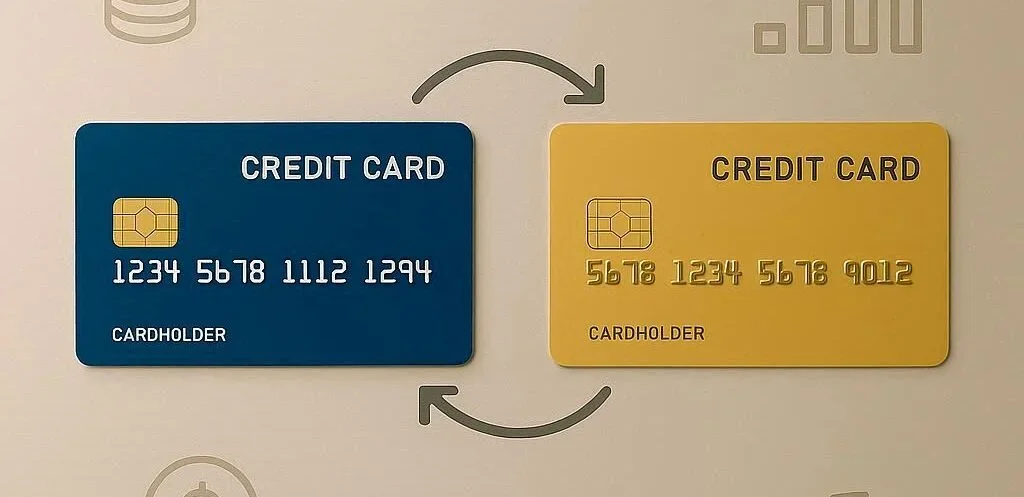
When you activate a balance transfer, you ask the new lender to send a payment to your old creditor. The new lender then takes ownership of the balance and applies its own interest rate to you. Most common steps are:
- Choose a card with a low introductory rate.
- Apply online or by phone, specifying the amount and the card to which you’re transferring.
- Await confirmation; the old issuer will receive a credit from the new lender.
- Make sure to keep your old card open to maintain credit‑history length.
Please note that services may vary, and many banks provide a set of FAQs to explain the mechanics in detail. For an in‑depth explanation from trusted reference, see the Wikipedia Balance Transfer page.
Pros and Cons of Credit Card Balance Transfer
Like any financial decision, a balance transfer has upside and downside. We break them down below.
- Pros:
- Lower or no interest—often 0% for 12–18 months.
- Single monthly payment may be easier to manage.
- Can free up cash for emergencies.
- Potentially lower credit utilization ratio—beneficial for your credit score.
- Cons:
- Balance transfer fee, typically 3–5% of the amount moved.
- Higher rate after promotional period starts.
- Risk of missing payments during the transition; carries over into new card terms.
- May affect credit score with new hard inquiry.
Balance‑transfer offers are great for debt consolidation, but always weigh them against the long‑term cost. According to the Consumer Financial Protection Bureau credit cards resource, a 0% promotion might save you thousands over the life of the debt if the transfer fee is less than the future interest you’d otherwise pay.
Choosing the Right Credit Card Balance Transfer
A top‑line field that influences your experience: the terms of the offer. Use these criteria as a fact sheet:
- Introductory APR duration. Longer periods reduce the risk of entering a higher post‑promotional rate too soon.
- Balance transfer fee. Ideally around 3% if the promotion lasts 12–15 months.
- Award for high credit score. Many cards require 700+ scores, so check pre‑qualification before applying.
- No balance transfer limit. Some cards cap at a few thousand dollars.
- Rewards overlap. If you’re used to a cash‑back card, a transfer to same‑brand may carry forward rewards.
For real data comparing actual offers, see the Bankrate balance transfer guide, which tracks APR changes, fees, and eligibility across dozens of issuers.
Timing and Fees for Balance Transfer
Timing can mean the difference between a $500 saving or a $200 loss. Key moments to watch:
- Credit‑score alert. After the first application, the issuer’s hard inquiry could temporarily dip your credit score. If you already have a strong score, a single inquiry is often negligible.
- Promo end you need to pay down. Plan a timeline so you pay off or dramatically reduce the balance before the introductory period ends.
- Late‑payment after transfer. A missed payment can trigger new fees and higher APR immediately.
Remember that a balance transfer fee—usually 3–5%—is a one‑time cost. If transferring $5,000, you would pay $150–$250 upfront. However, when that fee is offset by a significantly lower APR over a year, the net benefit can be huge.
When to Avoid Balance Transfers
Consider not using a transfer if you’re:
- In a very high‑interest situation (20%+ APR) where a lower split can bring it below 10%.
- Planning to keep the debt beyond 12 months, since the post‑promo rate can become the new regular APR.
- Unable to meet the minimum payment during the promotional period, which could add penalties.
If your credit score is below 620, most balances‑transfer offers may not be available. A CreditCards.com report suggests exploring secured cards or hardship plans first.
Blending Balance Transfers with Financial Planning
A well‑executed balance transfer can dovetail with broader financial strategies. Use the savings to build an emergency fund, pay down higher‑cost debt like student loans, or invest in your retirement account. A disciplined repayment schedule—such as the 50/30/20 method—helps ensure you always have a cushion to cover minimum payments and avoid locking the debt in new conditions.
The goal isn’t just lower monthly payments; it’s a step toward debt freedom. By following a transition plan, your credit utilization ratio improves—directly influencing the score—while your creditor relationship stays favorable.
Strong Conclusion and Call to Action
In short, a credit card balance transfer can transform an expensive debt into a manageable repayment plan—provided you choose the right offer, understand the terms, and commit to a disciplined payment strategy. Let the enticing 0% APRs and low fees be a lever, not a shortcut you’ll fall back on after the promotional period ends. Your next move could be as simple as opening a comparison sheet that lists APR, fee, and promotional length for cards suited to your credit score.
Ready to lower your interest and start reclaiming your financial freedom? Use our Bankrate balance‑transfer comparison tool to find the best offer tailored to your situation, or consult a certified financial counselor for personalized advice. Take action now—small steps today mean fewer payments, lower interest, and a clearer path to debt‑free living.
Frequently Asked Questions
Q1. What is a balance transfer fee and how is it calculated?
Most balance transfer offers charge a fee of 3–5% of the amount transferred. For example, a $5,000 balance would cost $150–$250 upfront. The fee is a one‑time cost that is often offset by the lower interest you’ll pay over the promotional period.
Q2. How long do the 0% APR offers usually last?
Introductory 0% APR periods typically range from 12 to 18 months, though some cards may offer up to 24 months. The longer the period, the more time you have to pay down or eliminate the balance before the regular rate kicks in.
Q3. Will a balance transfer affect my credit score?
Applying for a new card triggers a hard inquiry, which can temporarily dip your score by a few points. Keeping the old card open and making on‑time payments helps maintain your credit history and utilization ratio, mitigating the negative impact.
Q4. When is it best to avoid using a balance transfer?
If you expect to carry the debt beyond the introductory period, the post‑promo APR might be too high. Also, if your credit score is below 620, you may not qualify for the best offers, making other debt‑relief options more suitable.
Q5. How can I choose the right balance‑transfer card?
Compare key factors: intro APR length, balance‑transfer fee, credit‑score requirement, and whether the card caps the transferable amount. Resources such as Bankrate’s balance‑transfer guide provide up‑to‑date comparisons to help you match an offer to your credit profile.