Credit Card Rewards Optimization Guide
Credit Card Rewards Optimization is a buzzword that many shoppers use to describe how they can make the most out of the points, miles, and cash back earned on everyday purchases. It goes beyond merely picking a card; it involves a strategic approach that balances annual fees, reward categories, and long-term financial goals. In this guide, we’ll walk through the core principles and current 2026 trends that can help you fine‑tune your rewards strategy for maximum value.
Know Your Reward Landscape
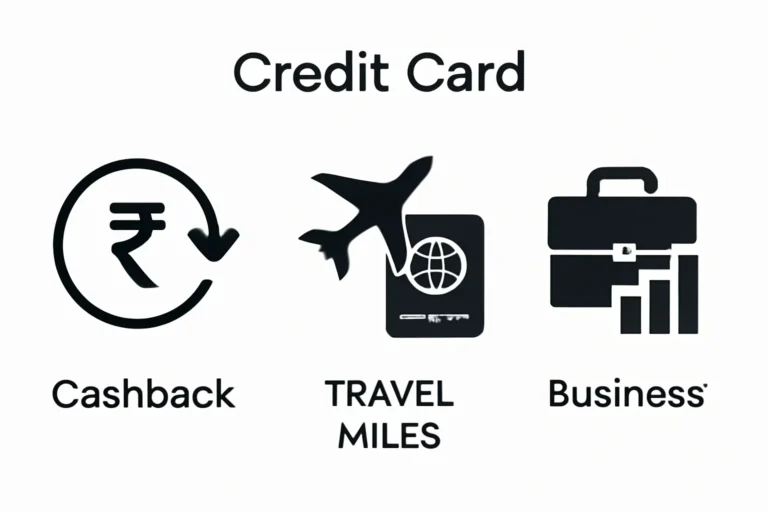
Before you can optimize reward earnings, you need a clear understanding of the reward landscape—what types of rewards exist, which categories earn the best, and how the rules have changed in recent years. Rewards programs generally fall into three categories:
- Cash Back: Simple cashback on total spend—usually 1–5 %.
- Points: Transferable points redeemable for travel, merchandise, or statement credit.
- Miles: Airline miles that can be used for flights, upgrades, or partner travel.
According to Wikipedia, the most lucrative programs in 2026 tend to be those that allow point conversion flexibility and offer bonus categories that align with a user’s spending habits. However, regulations by the Consumer Financial Protection Bureau have tightened rules around “hidden fees” and “promotion caps,” so transparency is now as important as the rewards themselves.
Strategic Category Matching
The core of rewards optimization lies in category matching—aligning the highest-earning categories of your card(s) with your regular purchases. In 2026, many issuers have added rotating quarterly categories that can award 3–5 × the standard rewards rate. For example, a card might offer 5 % cash back on groceries during January and March, returning to 2 % in other months. If you track your spending in a budgeting app and plan your shopping around these peaks, you can capture significantly more value.
To make this practical, create a monthly spending audit:
- Extract your statement and categorize expenses.
- Match categories to card offers using an online calculator tool for projected savings.
- Adjust card usage—for example, use a travel‑reward card for airline tickets and a cash‑back card for everyday groceries.
Remember to consider the annual fee and interest rates—no amount of rewards is worth a high APR if you carry a balance. 2026’s market offers competitive 0 % APR introductory periods lasting 18 months on many premium cards, which can be a boon if you plan large purchases.
Leverage Transfer Partnerships
Transfer partnerships allow you to move points or miles from one program to another—often in favorable ratios. In 2026, the most powerful partnerships involve alliances like Chase Ultimate Rewards to United MileagePlus, American Express Membership Rewards to Delta SkyMiles, and Discover Rewards to Southwest Rapid Rewards. Research shows that transferring points to airline or hotel partners can yield 1.5–2 × the original point value when booking premium cabin seats or free hotel nights.
Strategic transfer also affects topping‑up rules—many programs enforce a 10‑20 % top‑up policy to trigger high rates. By timing your transfer to coincide with a promotion, you can double or triple your return on points. Always keep an eye on the Federal Reserve’s reports on online credit trends for any upcoming changes in these terms.
Optimize for Long‑Term Goals
Short‑term gains should never eclipse your long‑term financial goals. Identify whether you want to:
- Build an emergency fund (cash back + savings account)
- Pay down debt (carve out higher APR credit cards)
- Invest in a retirement account (use higher‑value travel rewards for lifestyle),
- Or save for a major trip (maximize miles).
Align your card portfolio to support those objectives. For instance, if you’re aiming to travel in 2028, you might prioritize cards with extensive airline partnerships and withdrawal of joint bonus categories. Conversely, if debt payoff is the priority, choose cards with the lowest purchase APR and no balance transfer fees.
Keep an Eye on Legislative Changes
The credit card ecosystem is not static; every year brings new regulations. The 2025 Consumer Card Protection Act, for example, mandates clearer display of transaction fees and caps promotional rates at 20 % of the base rewards. An
after‑review of your rewards program against new compliance documents will help you avoid surprises in the future. The Federal Deposit Insurance Corporation regularly publishes updates on card issuers’ transparency scores.
Conclusion and Next Steps
Credit Card Rewards Optimization requires a disciplined, data‑driven approach that blends category matching, transfer strategies, and regulatory awareness. By mapping your spending, choosing the right participation tiers, and staying ahead of legislative changes, you can transform each dollar spent into tangible value—be it cash back, luxury travel, or debt reduction. Begin today by auditing your current card usage, identifying high‑earning categories, and setting a realistic rewards calendar for the next 12 months. With consistent effort, you’ll unlock a truly optimized rewards experience.
Ready to upgrade your strategy? Sign up for a 14‑day FREE trial of our credit‑card optimizer tool and start maximizing every purchase.
Frequently Asked Questions
Q1. What is Credit Card Rewards Optimization?
Credit Card Rewards Optimization is a strategy that combines category matching, transfer partnerships, and fee awareness to maximize the value of cash back, points, or miles earned on everyday spending. By analyzing your actual expenditures and aligning them with the best available reward categories, you can earn higher percentages or more valuable travel redemptions. It’s not just picking the highest rate card, but tailoring a multi‑card approach that fits your habits and long‑term goals.
Q2. How do rotating bonus categories work?
Many issuers now offer quarterly rotating categories that pay 3–5 × the standard reward rate. To profit, you schedule high‑spending shopping on months when your preferred category is active. You can avoid paying extra fees by using the same card for both the rotating and flat‑rate rewards.
Q3. Should I always use the highest‑earning card for every purchase?
No. Even if a card offers the highest rate, an annual fee or high APR could negate the benefit. Shortcuts include using a no‑fee cash‑back card for groceries and a premium travel card for large purchases, then paying the balance in full to avoid interest.
Q4. What are the biggest risks of frequent point transfers?
Most transfer bonuses are limited in quantity and subject to expiration or low conversion rates. Mis‑timed transfers can lock points while you wait for promotions, and many programs impose minimum transfer amounts. Staying aware of a program’s “top‑up” policy ensures you beat the minimum for higher value.
Q5. How often should I re‑evaluate my rewards strategy?
Every 6–12 months is ideal, especially after major life changes such as a new job, a sudden increase in travel, or when issuers introduce new perks. Regulatory shifts, such as the 2025 Consumer Card Protection Act, can also prompt a strategy refresh when they replace old terms with new caps or fees.