Protect Credit Cards 2026
In 2026, it is essential to protect credit cards from the growing wave of digital scams that threaten to drain accounts and expose personal data. By understanding how fraudsters operate and implementing modern safeguards, consumers can dramatically reduce the risk of unauthorized transactions and keep their finances secure.
Protect Credit Cards with Robust Authentication
Strong authentication is the first line of defense against online fraud. Multi‑factor authentication (MFA) adds an extra step that is almost impossible for a scammer to bypass once you’ve set it up. Here are key actions you can take:
- Enable two‑factor authentication (2FA) on every financial app. Most credit‑card issuers provide a free SMS or authenticator‑app option.
- Switch to biometric authentication—face or fingerprint—when available, as it’s faster and harder to forge than a password.
- Use a dedicated authentication app like Google Authenticator or Authy instead of relying only on SMS, which can be intercepted via SIM‑swap attacks.
- Set strong, unique PINs for each card, and change them every 12 months to stay ahead of credential stuffing attacks.
Protect Credit Cards by Monitoring Account Activity
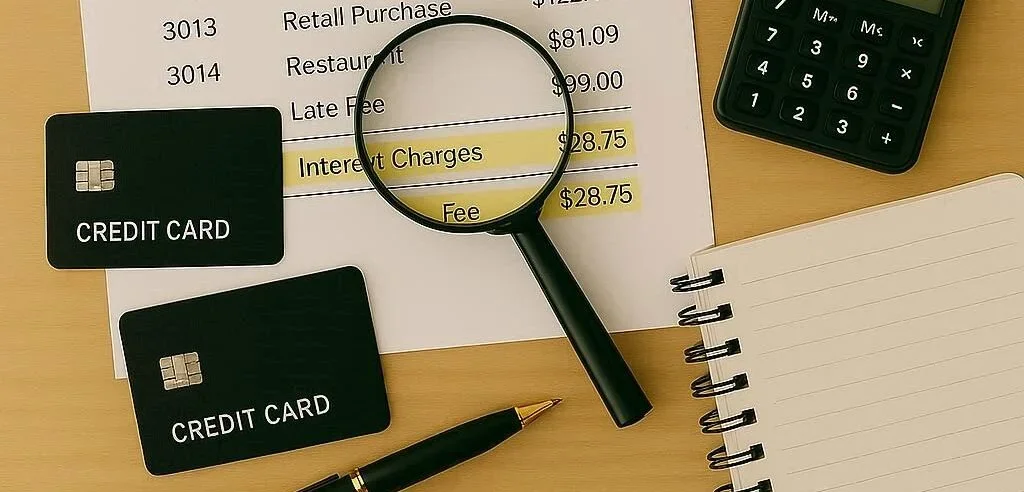
Proactive monitoring can catch suspicious activity before it escalates. Credit‑card providers now offer real‑time alerts that notify you of every transaction, even if the amount is below your usual threshold. Pair these notifications with a manual review routine: check every statement for unfamiliar charges and flag them immediately. Resources from the Consumer Financial Protection Bureau emphasize the importance of staying vigilant.
Protect Credit Cards Using Tokenization and Virtual Numbers
Tokenization replaces your actual card number with a randomly generated token that’s valid only for a specific transaction or merchant. Many banks now provide virtual card numbers that expire after a single use or a set number of days. These tokens mitigate the impact of data breaches—if a hacker captures a token, it’s worthless beyond its intended scope. For more detailed technical explanations, consult the Tokenization entry on Wikipedia.
Protect Credit Cards by Staying Ahead of Phishing Scams
Phishing attacks remain the most common entry point for fraud. Attackers craft emails, SMS, or pop‑ups that mimic legitimate institutions, then prompt you to enter login credentials or card details. To guard against these tactics:
- Verify the sender’s email address or phone number against the official contact information on your bank’s website—do not click on links in suspicious messages.
- Check the URL for misspellings or unusual domain extensions; legitimate enterprises always use their registered domain.
- Hover over links to preview the actual destination before opening them.
- Keep your operating system and browser updated; many updates patch vulnerabilities that phishing sites exploit.
- Consider installing reputable anti‑phishing extensions like DiscoverShield or Web of Trust.
The federal Federal Bureau of Investigation publishes annual reports on phishing trends, highlighting the evolving methods attackers use. Staying informed is a critical part of a robust security strategy.
Additional Layer: Auto‑Lock Features and Contactless Controls
Many modern cards now support auto‑lock, which temporarily disables the card after a certain number of declined attempts. Contactless payments can be set to require a chip‑and‑pin for amounts over a set limit—typically around US$50—helping to prevent accidental fraud when you’re in a rush.
Beware of “Dark‑Web” Monitoring Services
While the idea of having your data checked against rogue servers may sound helpful, many commercial dark‑web monitoring services charge high fees for data that can be accessed freely on public forums. Trusted institutions, such as the Federal Trade Commission, advise consumers to be cautious of these “pay‑to‑see” services.
Insurance and Liability Protections
Most credit‑card issuers offer zero‑liability policies, meaning you are not responsible for fraudulent charges if you report them promptly. However, not all cards cover the same types of fraud. Check your card’s agreement for details on what is covered and what isn’t—this information is often summarized on the issuer’s official website.
Protect Credit Cards by Leveraging Mobile Wallets
Apple Pay, Google Pay, and Samsung Pay use tokenized payment methods that replace your card number with a device‑specific token. Because the signature of the transaction is tied to your biometric or pin, these wallets add an extra hurdle for cybercriminals. At the point of sale, the merchant receives a unique transaction token, preventing replay attacks.
Protect Credit Cards: Final Steps
To conclude, protecting credit cards in 2026 requires a combination of technology, vigilance, and informed choices:
- Activate MFA and biometric authentication on all accounts.
- Enable real‑time alerts for every transaction.
- Use tokenized virtual numbers for online shopping.
- Scrutinize every email and SMS before entering credentials.
- Review your card terms for insurance against fraud.
- Keep software and firmware up to date.
By implementing these strategies, you can effectively protect credit cards from digital scams and safeguard your financial future. Take action today—review your credit‑card settings, enable the latest security features, and stay informed to protect credit cards from tomorrow’s threats.
Frequently Asked Questions
Q1. What is MFA and why is it important for credit card protection?
MFA, also called multi-factor authentication, adds an extra verification step beyond just a password or PIN. When you try to log in to a banking app or make a purchase online, MFA requires you to confirm your identity with something you know (a password), something you have (a phone or authentication app), or something you are (biometrics). This layered approach makes it far more difficult for scammers to hijack your account because they would need access to all required factors. Even if a hacker obtains your password, they still cannot complete the transaction without the second factor. As a result, MFA is considered one of the most effective first lines of defense for protecting credit card data.
Q2. How does tokenization help keep my card details safe?
Tokenization replaces your actual card number with a random token that is only valid for a specific transaction or merchant. When you shop online, the token is sent to the payment processor instead of the real number, making it unusable if intercepted. Even if a thief captures the token, it has a one‑time or limited‑time validity, so it cannot be reused. This protects the original card number from being exposed in data breaches. As a result, tokenized systems greatly reduce the risk of fraudulent card usage.
Q3. What are the most common phishing tactics targeting credit card holders?
Phishing attackers often send emails or text messages that look like they come from banks or merchant services. They may use familiar logos and urgent language to trick you into clicking a link or downloading a file. The link usually leads to a fake website that requests your card details, password, or personal data. Attackers can also use spoofed phone numbers that mimic a legitimate call from your card issuer. Being aware of these tactics and verifying any unexpected communication helps prevent falling for phishing.
Q4. Should I still use SMS for authentication?
SMS for authentication is still convenient but has vulnerabilities such as SIM‑swap attacks where a fraudster changes the phone number linked to your account. Because SMS can be intercepted or hijacked, many security experts recommend an authentication app or hardware token instead. If you must use SMS, keep your phone locked and monitor for duplicate messages or calls from your carrier regarding changes. Using an app like Google Authenticator or Authy gives you time‑based codes that are harder to compromise. Overall, it’s safer to switch to app‑based or biometric MFA whenever possible.
Q5. Where can I find real‑time alerts from my card issuer?
Most major card issuers now provide instant transaction alerts via SMS and email. Log into your online banking portal or mobile app and look for the alerts or notifications settings. From there, you can configure which transactions trigger an alert, set your preferences for the alert frequency, and specify which contact methods to use. Some issuers also offer push notifications directly to your phone for real‑time monitoring. If you’re unsure where to find this setting, check the help center or contact customer support for guidance.