Reward Credit Cards Loyalty
Reward Credit Cards have become more than just a convenient way to pay for everyday purchases; they are now a strategic tool for building financial health and enjoying premium perks. These cards offer a range of loyalty benefits, from generous travel miles to instant cashback, that can stretch a budget and elevate lifestyle. In this guide, we’ll explore how to choose the right Reward Credit Card, understand the different types of rewards, and leverage loyalty programs to maximize value. Whether you’re a frequent flyer, an online shopper, or simply looking to earn more on a grocery bill, the right card can turn ordinary spending into tangible rewards.
Why Reward Credit Cards Matter
Choosing a credit card with strong loyalty benefits can transform you from a spender into a savvy Saver. Reward Credit Cards allow you to unlock everyday savings, accelerate travel plans, and even gain access to exclusive events. According to the Credit Card definition, a reward system effectively rewards the user for recurring credit behavior. Beyond the obvious perks, these cards also encourage responsible spending habits by providing a clear reminder of the value behind each purchase. Moreover, the visibility of accumulated points or miles can motivate you to meet targets and qualify for higher tier benefits—an incentive that can push beyond mere payment flexibility.
- Visibility of Value – See how many miles or cashback you’re earning in real-time.
- Incentivized Spending – Earn more from everyday categories such as groceries or dining.
- Access to Exclusive Offers – Early access to sales and events.
- Fee Savings – Offset annual fees with points that can pay for the card itself.
Types of Reward Structures
There are three dominant reward structures you’ll encounter on Reward Credit Cards, each suited to different spending habits and goals.
- Cashback – Simply a percentage of each purchase returned as a statement credit or deposit. Cashback is straightforward; you’re guaranteed a reward with no blackout dates or expiration.
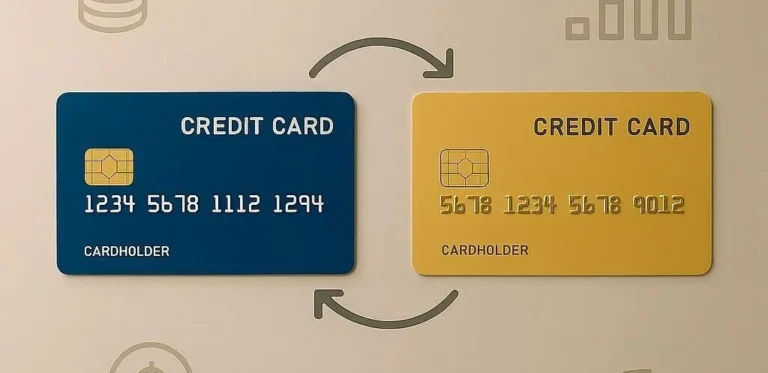
- Points – Earn points that can be redeemed across a broad spectrum of partners such as hotels, airlines, or gift cards. Points are often more flexible, allowing transfers between loyalty programs.
- Miles – Point-based rewards specifically tied to airlines or travel partners. Miles typically accumulate more quickly on certain categories such as travel or dining and can be redeemed for free flights, upgrades, or hotel stays.
Choosing between these structures involves assessing your spending patterns and redemption goals. For example, if you travel frequently, miles may be most valuable; if you want instant savings on everyday purchases, cashback is preferable.
Maximizing Your Points and Miles
Once you’ve selected a suitable Reward Credit Card, the next step is strategic optimization. Here are key tactics to get the most from your loyalty benefits:
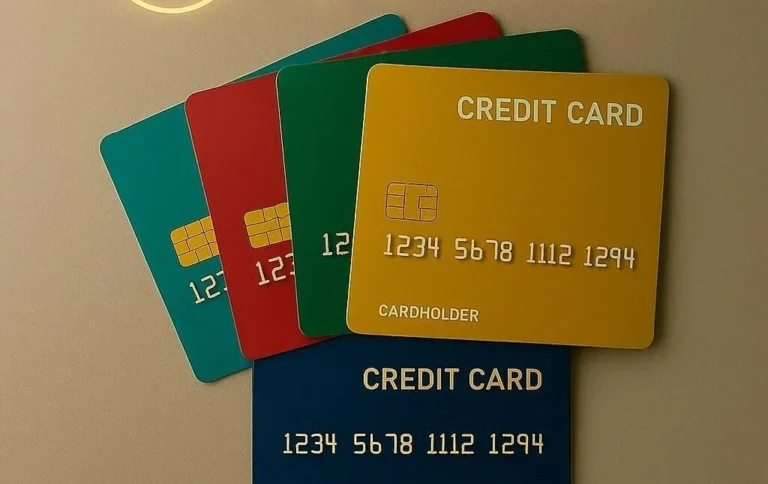
- Align with Bonus Categories – Many cards offer 2‑3× points on categories such as groceries, gas, or dining. Use separate cards to capture the highest multipliers and then pay them off in full each month.
- Take Advantage of Introductory Offers – Many cards feature 0% APR and large sign‑up bonuses. Balance the initial credit toward high‑value rewards and pay off sooner to avoid interest.
- Enroll in Points Transfer Partners – For points and miles, transferring to airline or hotel partners can provide a 10‑ to 15‑fold increase in value compared to direct cash redemption.
- Monitor Expiration and Fees – Keep track of point expiration dates and be aware of annual fees. Some cards allow you to offset fees with earned points, ensuring you stay in the leverage zone.
In addition to these strategies, staying informed about changes in award charts and redemption rates can protect you from unintended devaluation. For detailed research on United Airlines redeem rates, you can consult industry reviews on USA.gov for government‑approved travel resources.
Potential Pitfalls & How to Avoid Them
Reward Credit Cards are powerful, but certain pitfalls can erode the net benefits. Being mindful of the following issues will help keep your program profitable.
- High APR and Late Fees – When a card’s reward structure is overlooked, the hidden cost of an APR can outweigh reward benefits. Always pay balance in full.
- Overextension Weigh‑Ins – Earning 20‑30 points per $1 can be tempting, but only if the actual reward value exceeds your spend. Utilize a Consumer Financial Protection Bureau or the standard bank calculator to confirm ROI.
- Points Expiration – Some cards age out points after 12–24 months of inactivity. Regularly redeem or transfer points to avoid loss.
- Redemption Complexity – Airline reward calendars can shift, and bulk bookings may be demanded. Child-friendly transfer partners like hotel programs sometimes offer more flexible use.
Keeping a simple budget log and an annual account review can make the difference between net‑like and net‑loss rewards. Some experts suggest setting a quarterly reset date for all cards to avoid spending sprees that move you into cheaper reward tiers.
Conclusion: Turn Every Purchase Into Purposeful Wealth
Reward Credit Cards with valuable loyalty benefits empower you to turn your routine expenses into tangible savings and memorable experiences. By understanding reward structures, carefully stacking bonus categories, and monitoring potential pitfalls, you can elevate your financial strategy beyond mere credit transactions. Embrace loyalty not as an optional perk but as a core component of smart personal finance—making every swipe count and paving the way toward higher rewards, fewer fees, and a stronger net worth.
Ready to start earning more? Choose a Reward Credit Card that aligns with your goals, apply today, and watch every purchase build into a future of rewards and savings.
Frequently Asked Questions
Q1. What are Reward Credit Card Loyalty programs?
Reward Credit Card Loyalty programs are built into many credit cards to reward spending with cash back, points, or miles. They provide a tangible return on everyday purchases and special categories like travel or dining.
Q2. Which reward structure is best for me if I mainly shop at grocery stores?
If you spend heavily on groceries, look for a card that offers 3× points or $ value on that category. Cashback cards typically give 1–2% back, which is straightforward, but a points card that offers a higher multiplier on groceries may be more lucrative.
Q3. How can I prevent my points or miles from expiring?
Most programs expire quarterly or after 12–24 months of inactivity. You can keep points active by redeeming or transferring them regularly, or by using the card through the expiration date.
Q4. What should I watch out for to avoid high APR and fees?
Always read the terms: Zero–APR periods only apply if paid in full. Avoid carrying a balance and be mindful of annual fees that can be offset by rewards or else consider a no‑fee card.
Q5. Can I combine multiple cards to maximize rewards?
Yes, using one cash‑back card for everyday expenses and a travel‑reward card for flights can give you the best of both worlds. Just keep track of balances to avoid missed payments.