Reward Point Accumulation Flexibility
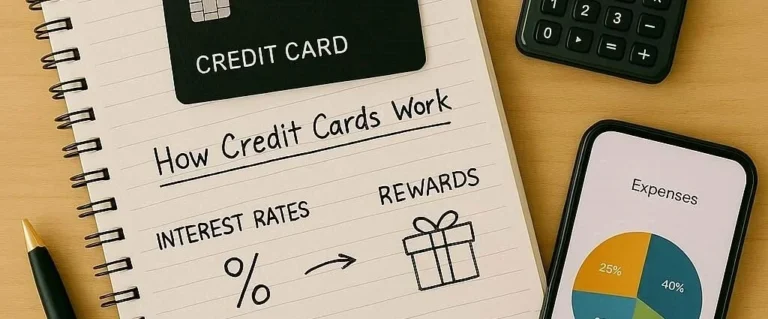
Reward Point Accumulation is a cornerstone of modern consumer incentives in India, shaping how shoppers, travelers, and everyday users engage with brands and financial services. In a market where credit cards, e‑commerce platforms, and airline loyalty schemes vie for attention, understanding how points are earned and redeemed can mean the difference between a modest perk and a substantial savings opportunity. This article dives deep into the mechanics of point accumulation, the breadth of redemption options, and the flexibility that Indian consumers can expect from today’s leading reward programs.
How Points Accumulate: The Core Mechanics
At its simplest, reward points are earned by spending money on a platform that offers a loyalty program. However, the rate of accumulation varies widely. Credit card issuers often provide 1–5 points per ₹100 spent, while e‑commerce giants may offer 2–10 points per ₹100, especially during promotional periods. The key variables that influence accumulation include:
- Spending Category: Grocery, fuel, and dining categories often carry higher multipliers.
- Promotional Tiers: Limited‑time offers can boost points by 50% or more.
- Partner Networks: Collaborations with airlines, hotels, or telecoms can unlock bonus points.
- Geographic Reach: Some programs reward more heavily for domestic purchases versus international ones.
- Account Status: Premium or platinum cards typically offer superior point rates.
For example, the Reward Program model used by many Indian banks follows a tiered structure: a base rate of 1 point per ₹100, a 1.5× multiplier for grocery purchases, and a 2× multiplier for fuel. This structure encourages consumers to channel their spending through the program’s preferred categories, thereby increasing the overall point pool.
Redemption Options Across Platforms
Once points are accumulated, the next question is: how can they be spent? Redemption flexibility is a critical factor that determines a program’s attractiveness. Indian reward ecosystems typically offer three primary redemption pathways:
- Cashback: Direct credit to the user’s bank account or a debit card. Cashback rates usually range from 0.5% to 2% of the transaction value.
- Travel Vouchers: Points can be converted into airline miles, hotel stays, or rail tickets. Conversion rates vary, but a common benchmark is 1,000 points equaling ₹1,000 in travel value.
- Product & Service Credits: Redeem points for electronics, fashion items, or subscription services. These are often bundled with partner offers, providing additional discounts.
In addition to these, many programs now allow point‑to‑point transfers, letting users swap points between different loyalty networks. This feature, pioneered by the National Payments Corporation of India, enhances flexibility by enabling cross‑brand redemption.
Comparing Flexibility in India
Flexibility is not uniform across all reward programs. Below is a comparative snapshot of five prominent Indian reward ecosystems, highlighting their accumulation rates, redemption options, and flexibility scores (on a scale of 1–10).
- HDFC Bank Rewards: Accumulation: 1.5× for groceries, 1× for others. Redemption: Cashback, travel vouchers, and partner products. Flexibility: 8/10.
- Amazon Pay Rewards: Accumulation: 2× for Amazon purchases, 1× for others. Redemption: Amazon gift cards, cashback, and select partner services. Flexibility: 7/10.
- Air India Loyalty: Accumulation: 1.2× for domestic flights, 1× for international. Redemption: Air miles, hotel stays, and partner services. Flexibility: 9/10.
- Paytm Rewards: Accumulation: 1× for all categories, 1.5× during festivals. Redemption: Paytm wallet credit, cashback, and product vouchers. Flexibility: 6/10.
- ICICI Bank Rewards: Accumulation: 1.8× for groceries, 1× for others. Redemption: Cashback, travel vouchers, and partner products. Flexibility: 8/10.
From this comparison, it’s evident that programs with higher accumulation multipliers and diverse redemption channels tend to score better on flexibility. However, the real-world experience also depends on the user’s spending habits and preferred redemption categories.
Maximizing Value: Tips & Strategies
To truly benefit from reward point systems, consumers should adopt a strategic approach:
- Align Spending with High‑Multiplier Categories: If you frequently dine out, choose a card that offers 3× points on restaurants.
- Leverage Promotional Periods: Sign up for seasonal offers that double your points for a limited time.
- Consolidate Points: Use point‑to‑point transfer features to pool points across brands, increasing redemption options.
- Track Expiry Dates: Many programs have a 12‑month validity. Set reminders to redeem before points lapse.
- Use Cashback for Everyday Purchases: Even a 0.5% cashback can add up over time, especially on high‑value items.
Additionally, staying informed about Reserve Bank of India regulations on digital payments can help you anticipate changes in reward structures, ensuring you’re always ahead of the curve.
Conclusion: Choose Flexibility, Choose Value
Reward Point Accumulation & Redemption Flexibility in India is evolving rapidly, driven by consumer demand for instant gratification and diverse spending options. By understanding how points are earned, exploring the breadth of redemption pathways, and adopting a strategic approach to maximize value, you can transform everyday purchases into tangible savings and experiences.
Ready to elevate your spending power? Sign up for a reward‑enabled credit card today, and start earning points that you can redeem for cashback, travel, or the products you love. Don’t let your hard‑earned points go to waste—unlock the full potential of your rewards now.
Frequently Asked Questions
Q1. What is reward point accumulation flexibility?
Reward point accumulation flexibility refers to how easily consumers can earn points across different spending categories and how those points can be transferred or redeemed across multiple platforms. It encompasses the variety of earning multipliers, the ability to combine points from various partners, and the range of redemption options available. A flexible program allows users to tailor their earning strategy to match their spending habits and preferences.
Q2. How can I maximize points in high‑multiplier categories?
To maximize points, choose a card or program that offers higher multipliers for categories you spend most on, such as groceries, fuel, or dining. Keep an eye on promotional periods where multipliers can jump by 50% or more. Also, use the same card for all purchases in those categories to avoid missing out on bonus points.
Q3. Can I transfer points between different reward programs?
Yes, many Indian reward ecosystems now support point‑to‑point transfers. This feature lets you move points between partner networks, such as from a credit‑card program to an airline loyalty scheme. It’s a great way to consolidate points and unlock more redemption options.
Q4. What are typical redemption options available in India?
Common redemption pathways include cashback to your bank account, travel vouchers for flights or hotels, and product or service credits for electronics, fashion, or subscriptions. Some programs also allow you to convert points into airline miles or rail tickets. The exact options vary by program, so it’s worth reviewing each provider’s catalog.
Q5. How long do reward points usually stay valid?
Most reward programs in India offer a 12‑month validity period from the date of accrual, though some may extend to 24 months. It’s important to track expiry dates and set reminders to redeem points before they lapse. Some programs also provide grace periods or allow rollover of unused points.