Reward Points vs Cashback Explained
Choosing the right reward system can significantly improve your purchasing power and savings. Whether you opt for reward points or cash‑back, each has unique advantages that depend on your spending habits, financial goals, and how often you intend to redeem your rewards. In this guide, we’ll compare the mechanics of reward points and cash‑back, outline the pros and cons of each, and help you decide which strategy maximizes value for you.
What Are Reward Points?
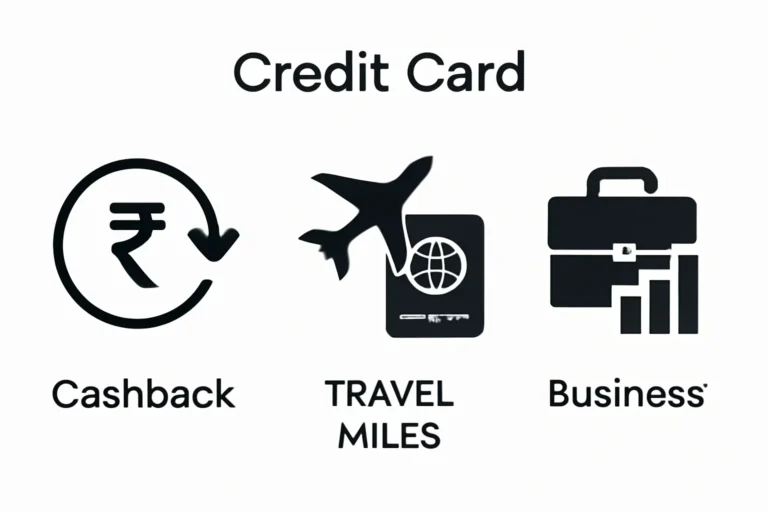
Reward points are non‑cash credits awarded by credit card issuers, airlines, hotel chains, or retail loyalty programs for every dollar or pound spent. Each program assigns a specific value to its points, often linking them to travel itineraries, merchandise, or exclusive offers. Reward point programs typically feature tiered systems, allowing consumers to climb tiers by meeting spending thresholds. Once at a higher tier, consumers can unlock bigger bonuses or perks, such as free flight upgrades, restaurant credits, or premium lounge access.
Key Characteristics of Reward Points:
- Non‑Cash Value: Points are redeemable only within a specific program or set of partners, limiting substitution flexibility.
- Tiered Benefits: Higher spend leads to higher status and more lucrative rewards.
- Strategic Redemption: Points can be spent strategically—such as redeeming a single high‑value flight instead of a large cash payment.
- Transferability: Some point systems allow transfer to other airline or hotel loyalty networks.
For example, a credit card that awards 1.5 reward points per dollar spent on groceries and 2.5 points for travel purchases might provide a compelling value for frequent‑flyers. However, the value of a point is often variable—acquisition value (the % of net spend it represents) versus redemption value (the % of a cash purchase it can substitute). When the two diverge significantly, users may feel that their points are “worth less” in practice.
How Cash‑Back Works
Cash‑back rewards are straightforward: you receive a percentage of your purchase returned, either in a statement credit or deposited into your bank account. Cash‑back can be flat—say 1.5% on all purchases—or tiered, offering higher percentages for specific categories such as groceries, dining, or gas. The simplicity of cash‑back appeals to consumers who prefer to apply rewards automatically to their credit card balance or to disburse funds directly.
Key Characteristics of Cash‑Back:
- Direct Monetary Value: Cash‑back is funded with actual money, not redeemable points.
- Ease of Use: No complex redemption process; the amount is applied automatically.
- Category Variations: Some cards offer higher cash‑back rates for specific spending categories.
- Non‑Transferable: Unlike reward points, cash‑back cannot be transferred or saved for different purchases.
Typical bank‑issued credit cards that offer 1% to 3% cash‑back on all purchases can provide a steady stream of savings, especially for people comfortable with a small, consistent discount. Because the cash‑back is applied to your balance, it can also function as interest‑free debt reduction if you carry a balance from month to month.
Primary Differences at a Glance
- Reward points provide flexible, potentially higher‑valued redemption into travel or exclusive perks but often require strategic use. Cash‑back delivers an instantaneous, tangible discount that can reduce your overall debt.
- Points usually have a limited redemption window or can expire after a certain period, whereas cash‑back, once earned, remains safe until applied to the credit card balance.
- Many card issuers test reward programs with a small sign‑up bonus. Both rewards types can be used as incentives; the difference lies in their long‑term yield for loyal users.
- Taxation: Reward points earned are generally not considered taxable income. Cash‑back may be treated as a discount rather than taxable income, but check with the IRS for regulations on specific card promotions.
Choosing the Right System For Your Spending Habits
When evaluating whether to pursue reward points or cash‑back, consider these key factors:
- Spending Patterns: Frequent travelers or diners may benefit from high‑value points for flights or restaurant vouchers. Those making regular everyday purchases favor simple cash‑back rates.
- Reward Redemption Frequency: If you want to see value quickly, cash‑back offers an instant benefit. Points may require accumulation and strategic trip planning.
- Investment in Additional Platforms: Points often work in conjunction with airlines or hotel partners; you might need a member account and travel booking portfolio.
- Compensation of Interest Charges: Carrying a balance on a card with high cash‑back can reduce the amount owed. With points, you typically need to pay the full balance and cannot offset interest.
- Account Interest Rate: Some cards offering high rewards have higher interest loans; evaluate if your spending is strictly cash‑back or includes credit usage.
In practice, many consumers adopt a hybrid strategy: a core card that offers an appealing cash‑back percentage for everyday use plus a secondary travel card that grants points for longer trips. This mix balances the ease of cash‑back with the potentially higher yield of loyalty points.
Redemption Tips for Maximizing Value
Just earning rewards isn’t enough; strategic redemption significantly increases real financial gain. Below are two best practices for both systems.
For Reward Points – Leverage Tiered Redemption Rates
Programs often provide a higher dollar value per point when redeeming for premium travel, such as business-class seats or last‑minute upgrades. To maximize:
- Track the reward point program terms and how it varies by category.
- Transfer points to partner programs during promotional periods; for example, credit card points can transfer 1:1 to major airline loyalty lists.
- Use points strategically for high‑ticket items; redemption for a cup of coffee may underdeliver on value compared to a retainer for a flight.
For Cash‑Back – Apply Insights to Your Financial Plan
Cash‑back earned can create a “cash‑back savings account” if you do not immediately apply it to the card balance. Consider:
- Track monthly cash‑back amounts and add to a separate savings account for future large purchases.
- Use a budgeting tool that includes your monthly gains from cash‑back; this can improve the effective interest rate on any adverse debt.
- Renewable wall productivity: If you consistently earn >$60 monthly, over a year it’s roughly an extra $720 in cash.
Potential Pitfalls and How to Avoid Them
Both reward points and cash‑back carry potential traps for its users if not managed wisely.
- Spending to Earn: Trying to earn a reward without genuine need can lead to overspending. Keep track in a budgeting platform.
- Arranging ‘Reward‑Only’ Purchases: If you can’t pay the balance, a higher reward rate might not offset later interest. The Consumer Financial Protection Bureau recommends maintaining a zero balance for non-debt each month.
- Points Expiration: Some programs reset after 12 or 24 months of inactivity. Use a calendar to remind yourself of upcoming expiries.
- High Annual Fees: Premium reward credit cards often come with fees up to $550. Evaluate if the benefit already surpasses the annual cost.
- Debt Spiral: Popular advertising for high cash‑back rates may induce more frequent use of the card; managing a budget is essential to avoid accruing debt.
These considerations align with consumer guides on credit card usage offered by the Federal Reserve, who emphasize responsible credit consumption and mindful reward claim strategies.
Bottom Line: Reward Points Versus Cash‑Back
In summary, reward points thrive for travelers and consumers who enjoy a gamified approach to savings, thanks to tiered rewards and redemption flexibility. Cash‑back rewards shine when you’re seeking straightforward discount currency that automatically reduces your debit. The best choice depends on your spending patterns and how much effort you’re willing to put into tracking and redeeming your benefits.
If you manage your finances with clarity, you can harness both points and cash‑back to augment your purchasing power and reduce loan costs. Be sure to set realistic spending goals and periodically evaluate your card activity so that your rewards system remains aligned with your financial objectives.
Ready to Reframe Your Rewards? Start Today by Choosing a Card That Matches Your Goals and Maximize Your Savings!
Frequently Asked Questions
Q1. What is the main difference between reward points and cash‑back?
Reward points are non‑cash credits you can redeem for travel, merchandise, or perks, often with tiered values. Cash‑back is a straight‑forward percentage of your purchase returned as actual money, automatically applied to your balance or deposited into an account. The key distinction lies in flexibility versus immediacy: points offer higher potential value with strategic use, while cash‑back gives an instant, tangible discount.
Q2. Which rewards program is better for frequent travelers?
If you travel often, a points‑based program tied to airlines or hotel loyalty networks can yield superior value, especially with elite status bonuses and free upgrades. Points also enable you to transfer between partner programs at favorable rates, maximizing each dollar spent on travel. Cash‑back can still be useful for incidental spend, but it rarely compares to the potential upside of travel points.
Q3. Do reward points expire?
Many programs set expiration dates, ranging from 12 to 24 months of inactivity, though some keep them active indefinitely if you maintain an account or carry a balance. Cash‑back typically does not expire once earned, but it may be forfeited if you miss payment deadlines or fail to reload a card. To avoid loss, track your points with program dashboards and set calendar reminders.
Q4. Can cash‑back replace the cost of a high‑interest credit card?
Cash‑back can offset interest if you apply it directly to your balance, effectively reducing the amount you owe each month. However, it rarely eliminates all interest unless you pay the balance in full. To truly beat high interest, focus on carrying a low‑balance card or paying in full instead of relying on rewards alone.
Q5. Is there a strategy that combines both points and cash‑back?
Yes—many savers opt for a core cash‑back card for everyday purchases and a secondary points card for large travel expenses. This hybrid method balances instant savings with high‑value rewards, letting you enjoy a broad range of perks while keeping your finances streamlined.