Shield Card Details 2026
How to Shield Your Card Details from Data Breaches 2026 is the centerpiece of today’s guide to protecting financial privacy. In an age where every online transaction is susceptible to compromise, understanding the multilayered approach to safeguard payment information is essential. This article not only outlines actionable steps but also clarifies the evolving threat landscape and introduces modern technologies—tokenization, end‑to‑end encryption, and secure processing—that enable resilient defense against cyberattacks.
Understanding the 2026 Threat Landscape
By 2026, cybercriminals employ increasingly sophisticated tactics, such as AI‑driven phishing, deepfakes, and zero‑day exploits targeting payment gateways. The UK National Cyber Security Centre notes that data breach incidents involving payment data grew by over 30% from 2024 to 2025, signalling a steep climb forward. Concerns around credit card fraud and leaks of payment card information remain at the forefront of security discussions. To counteract this, businesses must adopt rigorous compliance frameworks, such as PCI DSS, and embrace continuous monitoring systems.
Tokenization: Replacing Sensitive Data with Pseudonyms
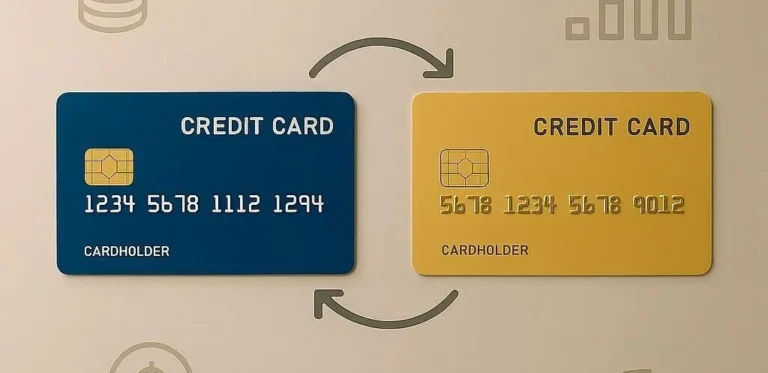
Tokenization is a staple defensive strategy that replaces stored card numbers with unique, non‑predictable tokens. Tokens are unusable outside of the token service, meaning if a breach occurs, the data exposed is essentially blank. According to the United States government, tokenization helps maintain compliance while reducing the scope of data exposure. When merchants process transactions, the tokens travel across networks, serving as placeholders for actual card details. By reducing the cardholder data footprint, tokenization directly addresses the most prevalent breach vectors.
End‑to‑End Encryption and Secure Payment Flows
End‑to‑End encryption (E2EE) ensures that card details are encrypted at point of entry and remain encrypted until they reach the payment processor’s secure environment. This layer protects against interception by adversaries using tools like keyloggers or man‑in‑the‑middle attacks. The Consumer Financial Protection Bureau emphasizes enforcing TLS 1.3 across all payment channels to guarantee strong cipher suites. When combined with tokenization, E2EE creates a layered shield that makes stolen tokens meaningless without the decryption key held by the processor.
Multi‑Factor Authentication (MFA) and Account Vetting
Adopting MFA, especially app‑based or biometric methods, adds a human verification layer that thwart credential‑replay attacks. The most common MFA strategies for payment portals include:
- SMS codes (least secure)
- Authenticator apps (e.g., Google Authenticator, Authy)
- Push notifications via email or device
- Biometric verification (facial recognition, fingerprint)
For banking institutions, using hardware tokens backed by the Payment card industry standards adds further assurance. Governance policies should mandate MFA for administrative access to merchant portals and for high‑risk transaction triggers.
Compliance, Monitoring, and Incident Response Plans
Effective data breach protection relies on three pillars: compliance, monitoring, and response. PCI DSS mandates regular vulnerability scans, penetration testing, and strict network segmentation. Monitoring solutions should detect anomalous patterns—multiple failed logins, unusual IP signatures, and transaction spikes—triggering automated alerts. A documented incident response plan, aligned with SANS Institute guidelines, ensures swift action: isolate compromised segments, engage forensic teams, notify regulators within statutory windows, and communicate transparently with cardholders.
Consumer‑Facing Practices: Educating and Protecting End Users
Beyond backend controls, providing consumers with clear, actionable advice reduces risk. Key recommendations include:
- Never share card numbers on unsecured websites.
- Check for the lock icon and HTTPS on payment pages.
- Set up account alerts for large or suspicious purchases.
- Use virtual or disposable cards offered by their banks.
- Regularly review account activity and dispute unauthorized charges promptly.
Educative content should be disseminated through emails, app notifications, and website banners, reinforcing best practices in everyday transaction scenarios.
The Future Is Stronger—Secure Your Card Details Now
With the continual evolution of threat technology, the security framework must iterate accordingly. Embracing AI‑driven risk analytics can predict potential compromise vectors before they materialize. Likewise, integrating blockchain‑based identity verification can drastically limit the opportunity for credential stuffing. For businesses, maintaining awareness of emerging regulatory requirements—such as the upcoming ePrivacy Regulation in the EU—will keep strategy aligned with legal expectations.
Call to Action: Protect Your Payment Data Today
Don’t wait for the next data breach to compromise your card information. Implement tokenization, enforce end‑to‑end encryption, adopt multi‑factor authentication, and ensure continuous compliance monitoring. Reach out to a security consultant by Summer 2026 to audit your payment systems and roll out modern defenses. The time to act is now—secure your card details, secure your future.
Frequently Asked Questions
Q1. What is the most effective method for protecting card details in 2026?
Tokenization combined with end‑to‑end encryption is currently the most robust approach. It replaces sensitive numbers with tokens that are worthless if intercepted, while encryption keeps data unreadable until it reaches the payment processor. Together they form a layered barrier that protects both data at rest and in transit. Implementing both strategies also helps meet PCI DSS requirements. Businesses that adopt this dual strategy often see a dramatic drop in breach incidents.
Q2. How does tokenization reduce data breach risk?
Tokenization replaces real card numbers with non‑predictable placeholders, so a compromised token cannot be used to authorize fraudulent payments. Tokens are only meaningful within the token service environment, making them effectively blank outside of it. This limits the amount of valuable data that attackers can steal, and it reduces the scope of the PCI DSS compliance requirements. It also shortens the required security audit and monitoring windows. Because of these benefits, many payment processors recommend tokenization as a first step.
Q3. What role does MFA play in shielding card details?
Multi‑factor authentication adds a human verification layer on top of anything else. It requires a second factor—such as an authenticator app or a biometric scan—beyond just a password. This mitigates credential‑replay and phishing attacks targeting users or merchants. MFA is also a condition of compliance for many jurisdictions as a response to the rising risk of account takeover. When MFA is enforced for high‑risk transaction triggers, the likelihood of unauthorized payments decreases significantly.
Q4. Are there any regulatory standards I need to comply with?
The Payment Card Industry Data Security Standard (PCI DSS) remains the cornerstone for protecting cardholder data. It mandates tokenization, encryption, monitoring, and incident response. In 2026, additional regulations such as the forthcoming ePrivacy Regulation in the EU will also impact consent and data handling. Businesses should stay current with updates to PCI DSS, such as the upcoming version 4.1, and align their policies accordingly. Compliance ensures legal protection and also builds customer trust.
Q5. What steps should consumers take to protect their card information?
Consumers should adopt virtual or disposable cards whenever possible and check for HTTPS and the lock icon on payment pages. Setting up alerts for large or suspicious purchases and deleting card data from older devices also helps. Additionally, they should keep vendor apps up to date and avoid sharing card details over unsecured channels. By following these best practices, users reduce the risk of fraud and protect themselves against common attack vectors. Digital vigilance is the backbone of personal data security.