Smart Card Reward Optimization
When it comes to maximizing the value you receive from your credit and debit cards, a well‑structured smart card reward optimization strategy can turn everyday spending into savings, cash back, and exclusive perks. By carefully selecting the right cards, aligning them with your spending habits, and monitoring performance, you can turn a simple payment tool into a powerful financial engine. In this article we reveal the top rated cards and the insider tactics that help you win the ultimate reward game.
Choose the Card Type That Aligns With Your Lifestyle
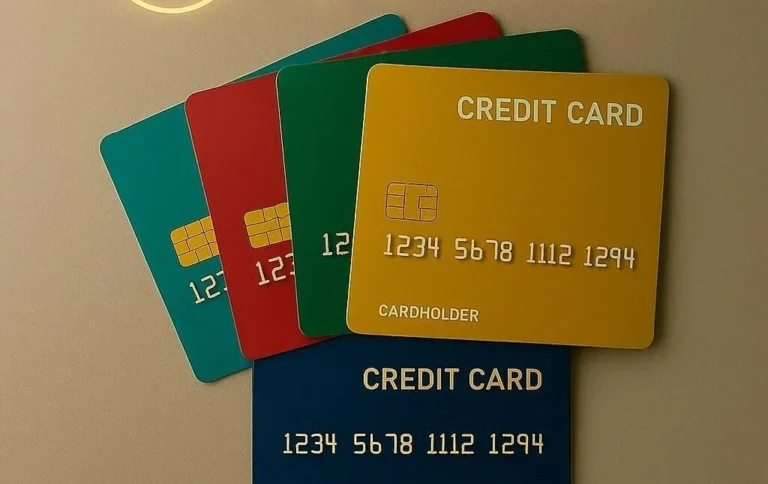
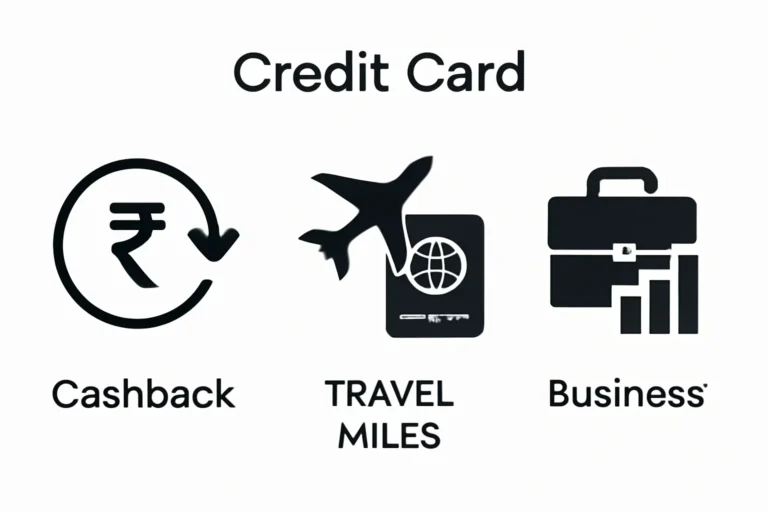
Not all cards are created equal. To begin a smart card reward optimization, first identify which card type fuels your goals. Want store discounts? Opt for a retailer‑specific card. Seeking cash back? Look for a flat‑rate or matched‑category card. If travel is your passion, focus on airline or hotel co‑branded cards. Understanding your priorities sets the stage for the best returns.
- Cash‑Back Cards – Offer a straightforward 1–5% return on all spending.
- Travel Rewards Cards – Reward points can be redeemed for flights, hotels, and other perks.
- Balance Transfer Cards – Reduce debt costs while earning points on other transactions.
- Retail‑Specific Cards – Boost shopping expenses with special discounts at beloved stores.
Examples of Leading Credit Card Brands
When researching high‑yield cards, you should consult official resources from well‑established institutions. Sites such as the Consumer Financial Protection Bureau offer unbiased comparisons, while the Wikipedia article on credit card rewards provides a solid background on how rewards are structured.
Maximize Everyday Spending – Put Your Card Front and Center
Once you’ve chosen the right card, the next step is to keep your primary payment instrument at the forefront of your everyday spending. Pay for groceries, fuel, electric bills, and even subscription services. By consolidating purchases on one card, you accrue reward point velocity during penalty periods and trigger category bonuses.
For instance, the Citi® Double Cash Card offers 2% cash back on all purchases—1% when you buy and another 1% when you pay. By funneling all non‑essential spending through a cash‑back card, you can quickly rack up points—and convert them into compelling savings.
Leverage Introduced Bonus Structures
Investment banks and financial services entity publications such as Forbes often highlight trending reward structures. Forbes on travel rewards outlines how airline cards can earn you 10,000–30,000 bonus points when threshold spend is met. In the same vein, Visa’s official white paper explains how debit cards can earn rewards too, providing a safe alternative for those wary of credit debt.
Keep an Eye on Sign‑Up Bonuses and Promotions
Credit card issuers frequently roll out seasonal bonuses and limited‑time promotions. For e‑commerce power users, the Amazon credit card offers a 20% discount on selected Amazon purchases for the first 12 months. Signing up early, pairing that card with your regular shopping, and recording the new points can dramatically push the reward engine even further.
It’s essential to synchronize these bonuses with benchmark spending categories so that you consistently earn the best possible value. Mailing lists from major banks or the European Banking Authority’s European Council high‑yield credit card analysis can provide timely updates.
Track, Analyze, and Re‑Optimize Every 3–6 Months
Your cards, like a well‑tuned engine, require regular maintenance. Using data‑driven tools such as the credit aggregation function on Credit Karma allows you to view all iterations of reward points earned and spend indications. Update your goals, shift balances to a higher‑earning card if necessary, and Re‑apply to promotional offers just in time.
For more academic backing, doctors and scientists from the University of California, Irvine’s Behavioral Science Lab discuss how earned points can positively reinforce spending habits – a useful psychological viewpoint to keep you motivated and disciplined.
Make the Most of Your Cash Back, Points, and Travel Privileges
When you’ve accumulated enough reward assets, the next step is extraction. Convert cash back points into statement credits to offset monthly bills; push travel points toward flights or hotels that offer a 2–3x redemption rate. Consult dedicated tools like the Redeemer’s Cheat Sheet to identify best conversion ratios.
Mindfully timing your usage – such as booking flights during a “Super‑Saver” sale – ensures you get maximum value from the same point bucket. For further guidance, consult the dedicated search tool on the Small Business Administration: SBA business planning framework, which provides data to optimize corporate card spending and reward usage alike.
Additional Tips to Refine Your Strategy
- Keep a separate “push” account for automatic reward transfers.
- Enroll in 24‑hour monitoring alerts from the issuer to detect unauthorized usage.
- Diversify card issuers to mitigate issuer‑specific card bans or offers.
- Use analytics to detect annual fees versus earned benefits; eliminate unprofitable cards.
Engineered for Success: Concluding Thoughts
Smart card reward optimization is not a one‑off trick but a holistic approach that involves choosing the right card type, leveraging category bonuses, retaining vigilance on promotions, and actively converting points into real value. With a disciplined application of the tactics highlighted above, you can transform every swipe into a rewarding experience.
Ready to harness these cards to generate real savings? Start applying now by comparing the top rated cards on an authorized platform in your region.
Final Call to Action: Explore, compare, sign‑up, and watch your rewards grow —the smartest financial move on the market in 2024 and beyond.
Frequently Asked Questions
Q1. What is smart card reward optimization?
Smart card reward optimization is a systematic approach to maximizing benefits from credit and debit cards. It involves selecting cards that match your spending habits, taking advantage of category bonuses, monitoring sign‑up offers, and regularly reviewing performance to keep rewards high.
Q2. How do I choose the right card for my spending habits?
Start by identifying your biggest expenses—groceries, fuel, travel, or shopping. Then pick the card type that rewards those categories: flat‑rate cash‑back for everyday spending, airline co‑branded for travel, or retailer‑specific for store discounts.
Q3. Are there hidden costs, like annual fees, that can negate rewards?
Annual fees can be worthwhile if the total value of points, cash back, or travel credits exceeds the fee. Calculate the breakeven spend; if you stay below that threshold, the card may not be profitable. Compare fees to earned benefits before applying.
Q4. Can I combine multiple cards to increase reward velocity?
Yes—use one card as the primary spend card and a second for bonus‑category spending. Just ensure you manage payments to avoid late fees; track balances with an aggregator to keep rewards high without increasing debt.
Q5. How often should I review and re‑optimize my reward strategy?
Every 3–6 months is ideal, especially after major life changes or when issuers launch new offers. Review annual fees, new bonus categories, and compare to your current card lineup. Adjust or replace cards then to maintain the best value.