Top Credit Health Tracking Tools
In an age where digital identity is as vital as physical health, monitoring your credit health has become a cornerstone of financial well‑being. The right credit health tracking tools can flag errors, provide early warning of identity theft, and help you chart a clear path toward a higher credit score. For those who value financial transparency and foresight, understanding which platform delivers the most accurate, actionable, and user‑friendly insights can save years of worry and dozens of thousands of dollars. In this guide, we review the leading credit health tracking tools—breaking them down by features, accuracy, pricing, and how well they integrate with everyday life.
Why Track Credit Health?
Credit health is more than a number on a credit report; it’s a full‑scale snapshot of your financial capabilities. Regularly tracking your credit can: identify inaccuracies that may lower your score, deter financial fraud, track debt evolution, and identify opportunities for credit‑building strategies such as installment loans or secured credit cards. According to the Consumer Financial Protection Bureau, 6.1 million consumers had at least one error on their credit report in 2023, making vigilant monitoring a safeguard against hidden pitfalls.
Beyond daily convoys, these tools empower consumers to take proactive steps toward financial health and independence. Experts at the Federal Reserve System emphasize that a good credit score lowers borrowing costs by millions annually. A robust tracking solution therefore serves as a frontline defense and a strategic ally.
Key Features to Consider
When evaluating credit health trackers, look for these core capabilities:
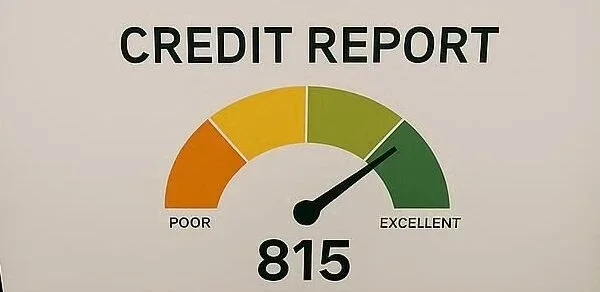
- Real‑time credit score updates: Ideal tools pull fresh data from all three major bureaus—Equifax, Experian, and TransUnion—and present it in near‑real time.
- Comprehensive credit report monitoring: A full‑report audit every month ensures you spot unauthorized transactions or discrepancies promptly.
- Personalized insights and recommendations: Algorithms that suggest actions—such as paying off a specific credit card or consolidating debt—to elevate your score.
- Fraud alerts and identity‑theft protection: Immediate notifications if new accounts appear or suspicious activity emerges.
- Security features: Two‑factor authentication, end‑to‑end encryption, and data privacy compliance.
- Cost structure: Free vs. subscription plans, cost‑per‑score model, and any hidden fees.
- Integration with budgeting apps: Syncing with platforms like Mint, YNAB, or Plaid enhances overall financial oversight.
Top Credit Health Tracking Tools Ranked
Below is a detailed comparison of the five best credit health tracking tools based on accuracy, feature breadth, ease of use, and overall value. Each product’s pros and cons help you pick the right fit for your goals.
1. Credit Karma (Free)
Credit Karma offers monthly monitoring from TransUnion and Equifax, free credit scores, and actionable advice. Its user interface is intuitive, and the app’s budgeting integration is smooth. However, it does not monitor Experian and the platform is ad‑supported, which may feel intrusive.
2. Experian CreditWorks (Subscription)
This paid service provides real‑time updates from all three bureaus, identity‑theft protection, and credit‑score predictions. It also includes a feature that warns you before major changes, like a jump in your debt-to‑income ratio. The major drawback is a higher cost, which may not be justified for those comfortable with free alternatives.
3. NerdWallet Power Credit Score
NerdWallet delivers up‑to‑date scores from Experian, Equifax, and TransUnion. It is free and can integrate with credit‑builder cards offered by the site. The interface is less polished than Credit Karma, but NerdWallet’s educational content is excellent for new credit users.
4. Whitepages Pro Report (Free with limitations)
This service uses credit data pulled by Whitepages and is available for free upon signing up. It offers a combined score but at a limited update frequency. It’s best for occasional checks but lacks the depth required for continuous monitoring.
5. Credit Sesame (Free)
Credit Sesame provides free credit scores, real‑time updates, and an extensive credit‑health dashboard. It also offers an optional premium tier for merchant‑grade data and identity‑theft protection. Its built‑in offers for loan and credit cards can be a mixed blessing, influencing user behavior.
Integrating Tools into Your Routine
Consistent use of these tools turns sporadic checks into a disciplined habit. Here’s a simple routine: weekly quick‑check—a glance at the dashboard to test for new alerts—followed by a monthly deep‑dive—analyzing last year’s score fluctuations and reviewing action plans. At the start of each tax season, run a quarterly audit against the official reports from all three bureaus. Most platforms send email summaries, but connecting dashboards with other financial apps via Plaid or Zapier can consolidate insights into a single current‑status page.
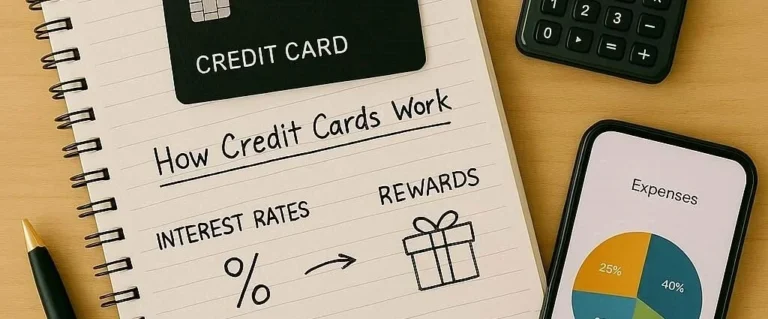
Remember that credit health is part of a broader financial ecosystem. With the credit score in constant motion, keeping your interest rates and credit utilization at healthy levels (under 30%) is crucial for maintaining and improving rankings. Tools that recommend targeted actions—such as paying a specific balance less than 20% of the credit limit—can be decisive for those on the cusp of reaching the next score tier.
Choosing the Right Tool for You
Everyone’s financial situation diverges: a new college graduate may prioritize entry‑level monitoring, while a seasoned homeowner may need full fraud detection. Consider these factors: budget size (free vs subscription), desired depth of data (simple score vs detailed report), threat environment (high fraud risk vs low risk), and integration ecosystem (existing budgeting software). Once you’ve matched preferences, use trial periods—most providers offer 30‑day free tests—to gauge user experience and assess whether the automated suggestions actually drive improvement.
Conclusion – Take Charge of Your Credit Health Today
Take control of your financial future with the right credit health tracking tool. Whether you start with a free platform like Credit Karma or invest in the comprehensive monitoring of Experian CreditWorks, the insights you gain empower realistic debt‑management plans, protect you against identity theft, and help you reach the credit score you deserve.
Visit one of the reputable sources below to sign up and start charting a healthier credit trajectory today. Consumer Financial Protection Bureau, Federal Reserve, Investopedia, or the Wikipedia entry on credit scores provide additional resources to help you stay informed.
Frequently Asked Questions
Q1. How often do credit health tracking tools update my credit score?
Most reputable tools pull fresh data from the major bureaus on a schedule ranging from weekly to nearly real‑time. In‑app notifications allow you to see changes as soon as they happen.
Q2. Are there any hidden costs with free credit monitoring services?
Free tiers typically cover score updates and basic alerts, but you may see ads or be nudged to purchase additional services. Always read the fine print before upgrading.
Q3. Can a credit health tool help me recover from identity theft?
Yes. Most platforms flag suspicious new accounts or sudden score drops, and they often offer identity‑theft protection as part of a paid plan, giving you peace of mind and a quicker recovery process.
Q4. Will using a credit tracker affect my credit score?
No. The services contact the bureaus only to pull public data; they do not create new credit inquiries that could impact your score.
Q5. How can I integrate a credit tracker with my budgeting app?
Many trackers support Plaid or Zapier connections, allowing your scores and alerts to sync automatically with tools like Mint, YNAB, or Quicken for a single financial dashboard.