Top Entry-Level Cards
When you’re stepping into the world of credit, the first thing you’ll want to do is choose an Entry‑Level Cards that accommodates your needs without overwhelming you. These cards are designed for newcomers – they have lower credit score requirements, simpler terms, and features that help you learn credit responsibly. By understanding what to look for and which cards are currently the best in the market, you set yourself up for long‑term financial health, easier budgeting, and the possibility of better rewards in the future.
Why Entry‑Level Cards Matter for Beginners
Credit scores often carry the mystery of a locked door, and as a first‑time applicant, it’s easy to feel stuck. A dedicated Entry‑Level Card gives you a realistic pathway to building that credit file. According to the Consumer Financial Protection Bureau, a steady credit history can lead to improved rates on loans and mortgages: Consumer Financial Protection Bureau Credit Card Guidance. 1) These cards come with fee‑friendly or no annual fees, so you won’t feel penalised for learning. 2) They teach you how to pay on time—essential for securing a higher credit score. 3) They provide a smoothed entry for reporting to credit bureaus, meaning your actions directly affect your credit profile.
Big institutions recognize the need for approachable credit products. For example, banks and financial services publish tutorials on how credit reports are created: Wikipedia – Consumer Credit Report. These resources clarify that early, on‑time payments can reduce your debt‑to‑income ratio—an important statistic for future borrowing.
Key Criteria to Evaluate
Evaluating an Entry‑Level Card not only about the initial appeal. Consider these criteria, which ensure the card will serve your financial literacy journey:
- Annual Percentage Rate (APR) – Look for cards with competitive APRs. High APRs can eat into your funds faster than you anticipate.
- Annual Fees – Many starter cards are fee‑free. If a fee applies, compare it against the rewards or benefits offered.
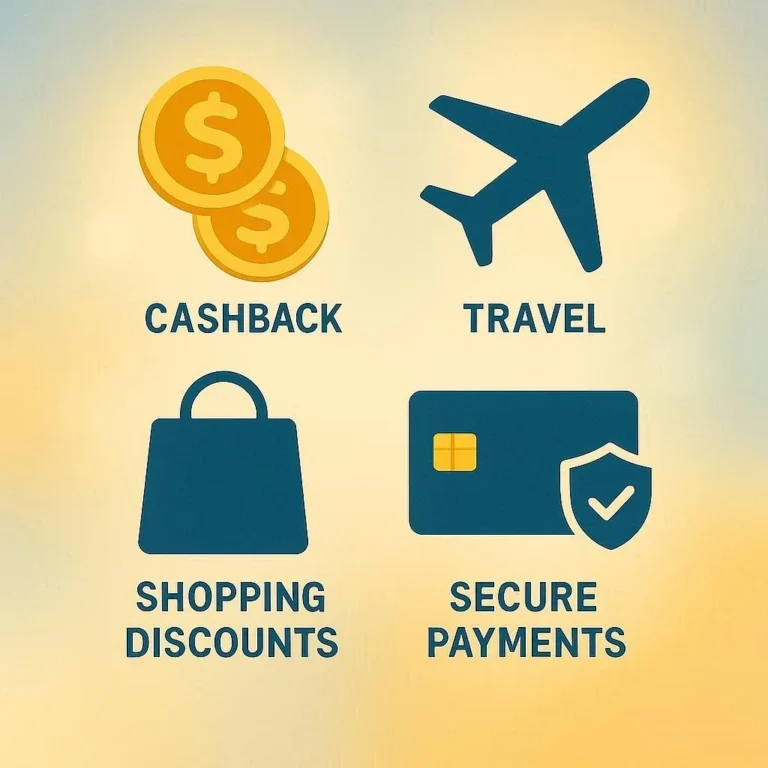
- Rewards Structure – Choose a rewards plan that matches your spending habits: cash back for groceries, travel miles, or flexible points.
- Credit Limit – A low credit limit is typical for entry‑level cards, but make sure it’s high enough to avoid frequent max‑out situations, which can hurt your credit score.
- Security Features – Look for zero‑liability protection, real‑time alerts, and optional credit‑monitoring services.
- Ease of Managing the Card – Online account management, bill payment reminders, and clear customer support are essential.
- Build‑Credit Tools – Some issuers provide educational content or credit score updates as part of the card package.
To help you keep track of these factors, use a handy spreadsheet or a dedicated financial app. Many reputable apps like Credit Karma offer free credit monitoring and card comparison tools.
Top 3 Entry‑Level Cards For 2024
Below is a reputable, research‑based shortlist, vetted for first‑time users. Everyone’s circumstances differ, so keep your personal spending patterns and credit goals in mind when selecting your card.
1. Discover it® ® Cash Back by Capital One
Best for all‑purpose cash back. Discover it® gives you 5% cash back on rotating categories—up to $1,500 in spending each quarter—plus 1% on everything else. If you pay the full balance each month, you’ll benefit from a 0% APR introductory period on purchases (available for 15 months) and no annual fee.
2. Chase Freedom ® Student Card
Ideal for students or first‑timer credit. This card offers 5% cash back on matches for everyday categories, plus 1% on all other purchases. It also provides a $15 credit to student scholarships on certain days of the month.
3. Wells Fargo Freedom Credit Card
Great for building credit without fees. The Wells Fargo Freedom card is a no‑annual‑fee card that offers 1.5% cash back on the first $4,500 in purchases each year. It’s perfect for people keen on budget planning and need a reliable rewards mechanism while maintaining a modest credit limit.
For a deeper comparison, refer to reputable financial review sites such as NerdWallet, which list up‑to‑date card features, issuer details, and user reviews.
Tips for Using Your First Card Wisely
After acquiring your Entry‑Level Card, adopt smart habits to maximise its value:
- Pay in Full, Every Time – Avoid interest charges. Even if a 0% APR intro is offered, it’s a limited‑time benefit.
- Monitor Statements – Review for fraud or errors monthly. Use account alerts provided by the issuer.
- Keep Utilisation < 30% – This shows lenders you’re not relying heavily on credit and keeps the score healthy.
- Use Credit Only When Needed – Treat the card as a budgeting tool rather than a means to finance everything.
- Set Up Auto‑Pay – Reduces the risk of missing a payment, which can cause late‑fee charges and lower your score.
- Check for Rewards Claims – Keep receipts for rewards-eligible purchases to avoid missing out on earned cash back.
- Review Terms Annually – Card terms can shift; staying informed prevents surprises.
Applying for a Entry‑Level Card changes more than just your monthly budgeting—it sets a foundation for future borrowing. Once you’ve built a solid track record, you can move toward higher‑limit cards, exclusive rewards, or cards with lower APRs. For guidance on how to navigate those future stages, consult the Bankrate’s credit‑education guides: Bankrate Credit Tools.
Conclusion – Get Started Today!
Choosing the right Entry‑Level Card can transform your financial life. When you match features with your spending habits and commit to responsible use, you smelt the path towards higher credit scores, better loan terms, and more rewarding credit products. Don’t let anxiety keep you from opening that first line of credit—select a card that fits your lifestyle and apply now to start building the future you want.
Frequently Asked Questions
Q1. What makes an entry‑level credit card suitable for beginners?
An entry‑level card is designed with low credit score requirements, no or low annual fees, and simple terms. It helps new users build a credit history without high costs or complex rewards. The card’s reporting to all three credit bureaus tracks your payment habits, which improves score over time. Many issuers also offer educational tools or credit score updates.
Q2. Do entry‑level cards have higher interest rates than premium cards?
Often they do, because they are riskier for the issuer. However, most cards offer a 0% introductory APR for purchases, usually lasting 12–18 months. After that, the APR can rise to 15%–25%. Planning to pay off your balance each month reduces or eliminates interest charges.
Q3. Can an entry‑level card earn rewards or cashback?
Yes – many starter cards reward you for everyday spending. Common structures include cash‑back at a flat rate or rotating categories. Examples include 5% on groceries, gas, or dining, and 1% on all other purchases. Rewards can be redeemed via statement credits, direct deposit, or travel partners.
Q4. How do I protect myself from fraud on an entry‑level card?
Set up real‑time alerts for each transaction and monitor statements monthly. Use issuers’ zero‑liability policies, which shield you from unauthorized charges. Keep card details confidential and use secure login methods (two‑factor authentication). Blocking or distancing from suspicious purchases keeps your account safe.
Q5. What steps should I follow after getting an entry‑level card?
Pay the full balance every month to avoid interest and maintain low utilization. Set up automatic payments for at least the minimum amount, and regularly review your credit score. Keep spending below 30% of your credit limit to demonstrate responsible credit use. Updating your card manager can also help you spot rewards early.